Responsible
morph breeding


What are deleterious genes?
A deleterious gene is an inherited genetic trait that negatively affects an animal's health, function or welfare. Problems can involve neurological disorders, physical abnormalities, skin vulnerability, metabolic issues or increased tumour risk.
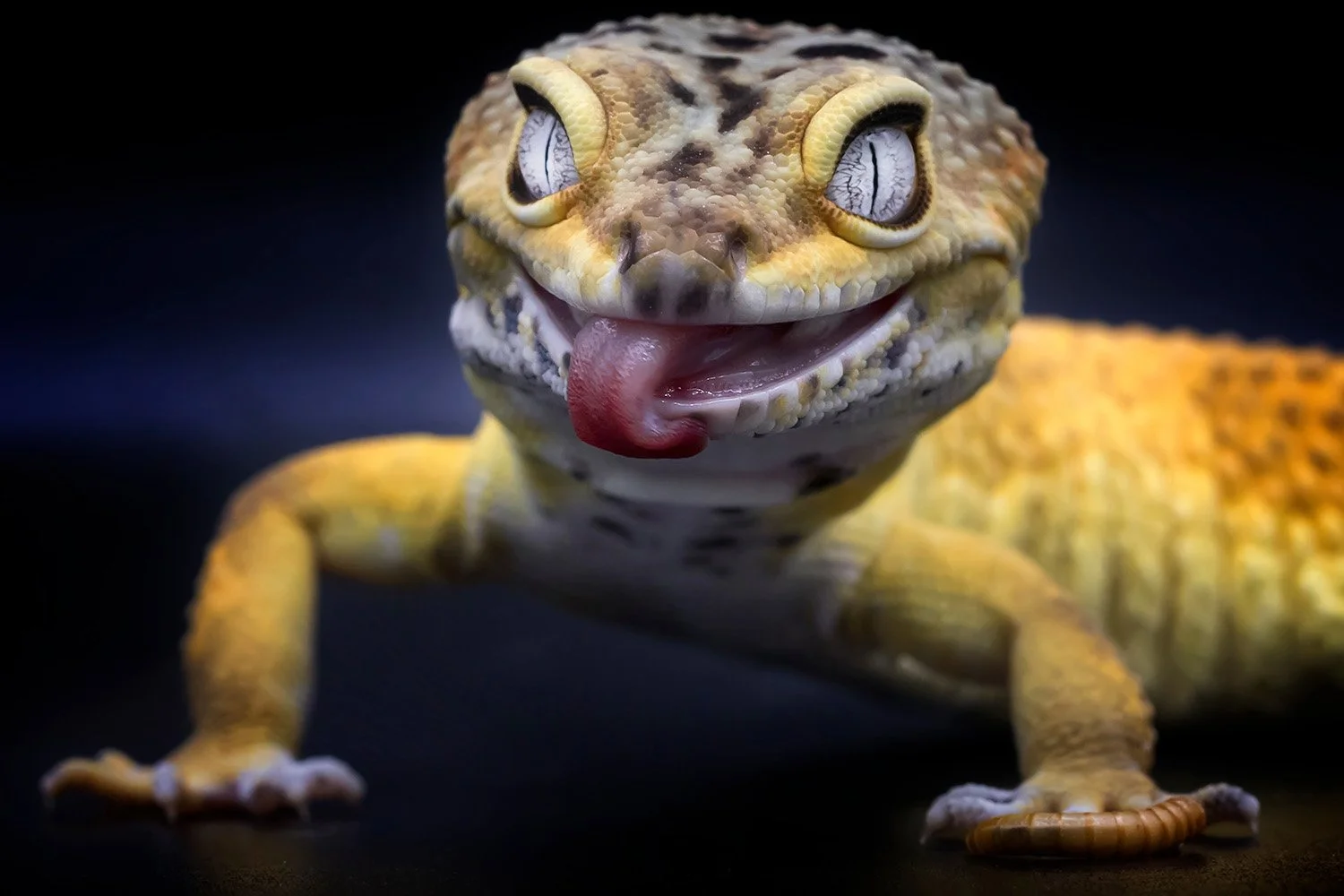
Examples include the wobble associated with spider ball/royal pythons, the increased tumour risk seen in lemon frost leopard geckos, and the skin problems associated with silkback bearded dragons. These morphs always have welfare issues.
Most morphs are healthy
It is important to keep this issue in proportion. The vast majority of reptile morphs are healthy. The problem relates to a small number of known genetic traits or combinations. Responsible morph breeding does not oppose selective breeding. It’s more about recognising where a line has been crossed and acting accordingly.
Self-regulation in action
REPTA's Deleterious Genes Policy identifies problematic morphs that should no longer be deliberately bred or sold. The policy has been widely applauded and received positive recognition from keeper groups, welfare organisations and veterinary professionals.
This is responsible reptile keeping in practice: identifying genuine welfare concerns, sharing knowledge and improving standards from within the community.
The deleterious genes register
REPTA’s register identifies reptile morphs and genetic combinations currently considered unsuitable for continued breeding. It is an evolving resource and will develop as knowledge, evidence and keeper experience improve.
We'd like to thank REPTA for developing this valuable tool.
Prohibited Morphs
Spider Royal Python
(Python regius)
Genetically inherited inner ear anomaly that serious affects orientation and focus. Presents as moderate to severe wobble.
Super Champagne Royal Python
(Python regius)
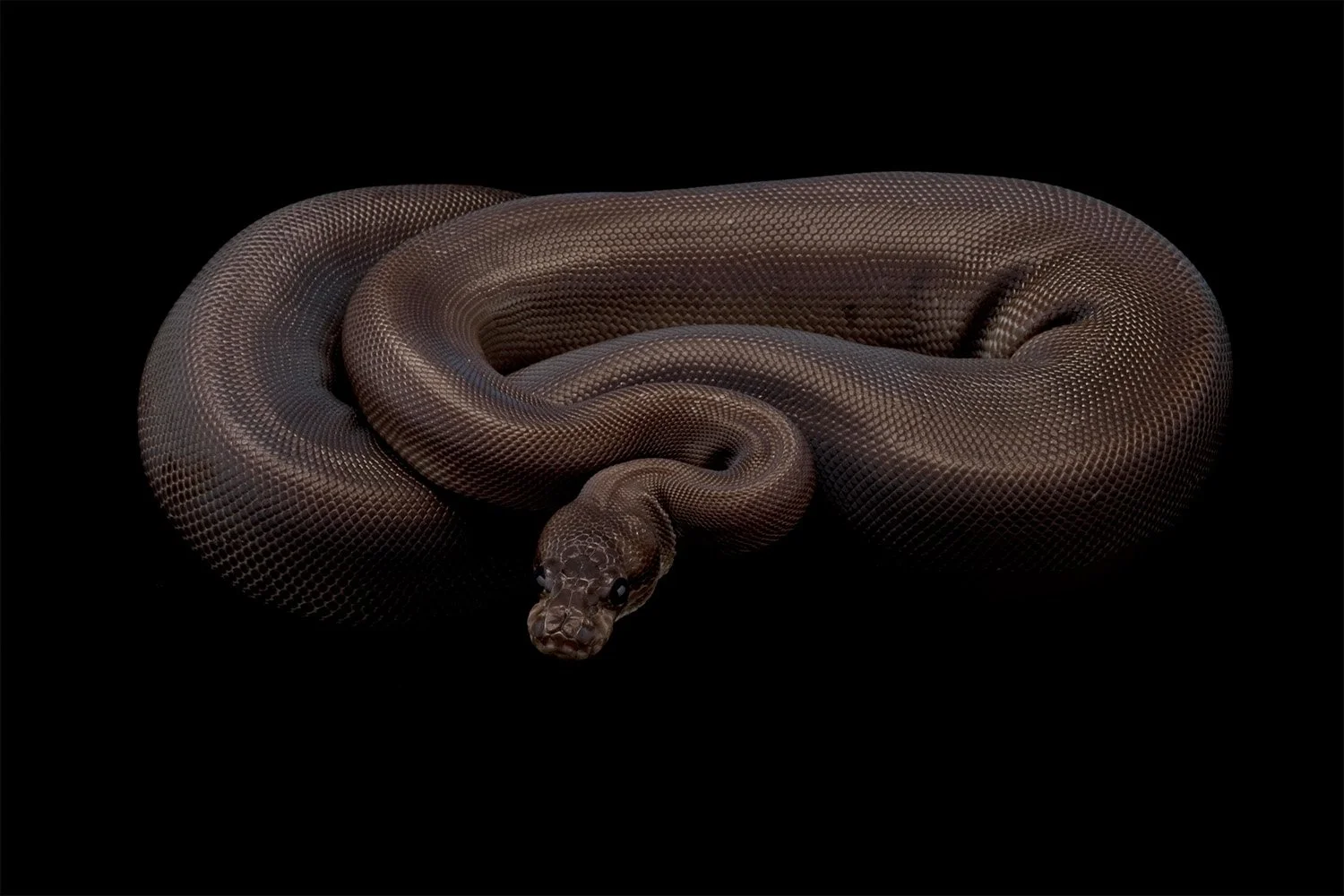
Lethal combination. Fatal embryonic issues. Others die within hours of birth.
Super Black Pastel Royal Python
(Python regius)
High likelihood of underdeveloped lower jaw and kinking to spine and tail.
Super Cinnamon Royal Python
(Python regius)
High likelihood of underdeveloped lower jaw and kinking to spine and tail.
Super Hidden Gene Woma Royal Python
(Python regius)
Lethal combination. Fatal embryonic issues. Others die within hours of birth.
Champagne x Hidden Gene Woma Royal Python
(Python regius)
Often presents with severe neurological issues. Both phenotypes have an allelic relation to the Spider morph.
Super Motley Boa
(Boa imperator)
Metabolic issues, presents as normal at birth but quickly loses muscle tone and ability to pass faecal matter. Heavily curtailed lifespan.
Super Jungle Boa
(Boa imperator)
Metabolic issues, poor digestion, poor muscle tone. Fertility issues, very few examples of reaching adult weight. Heavily curtailed lifespan.
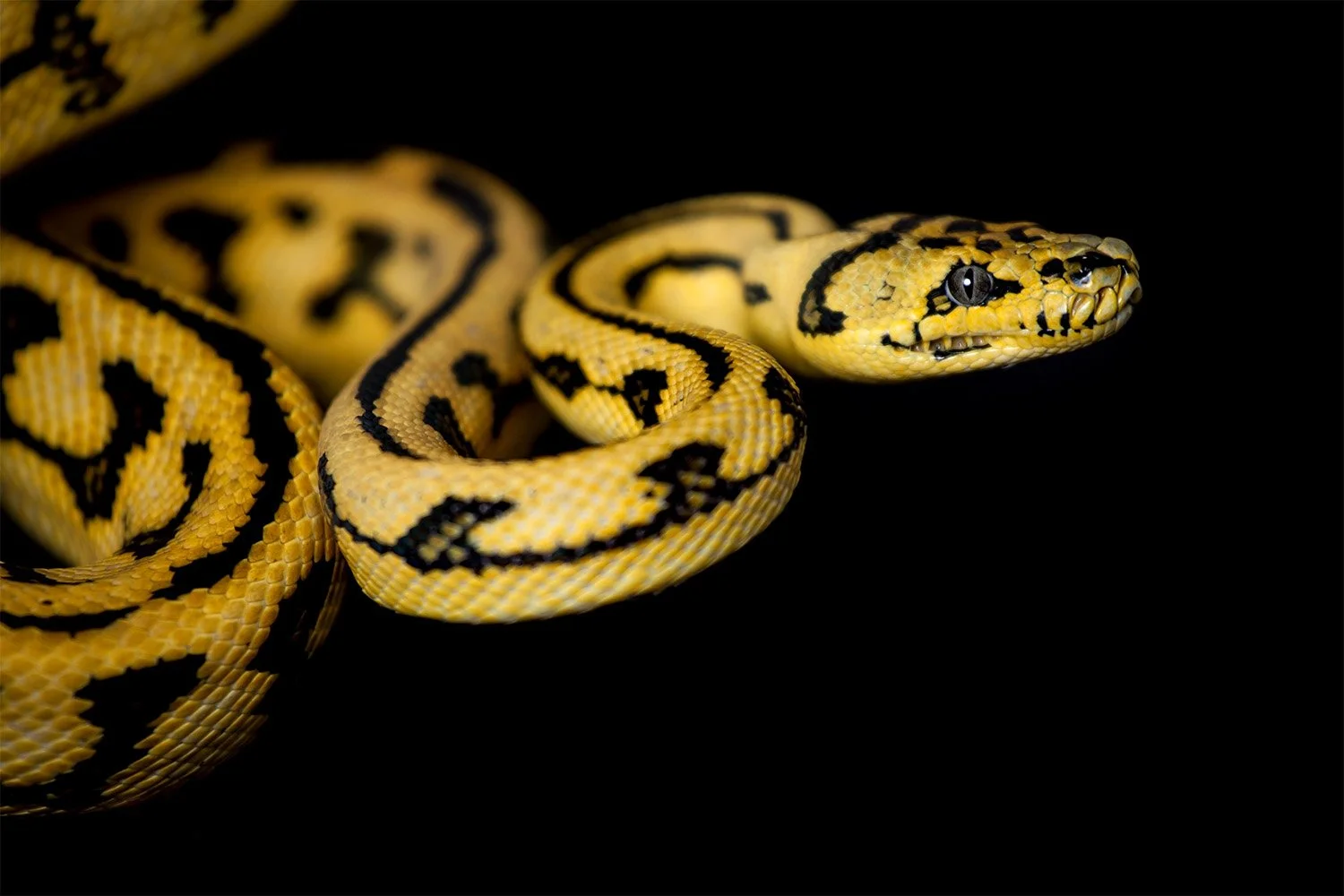
Jaguar Carpet Python
(Morelia spilota ssp)
Neurological issues, including wobble and self-righting issues. Often compounded by a history of Jaguar-to-Jaguar breeding.
Skull Face Western / Plains Hognose
(Heterodon nacius)
High likelihood of cranial (head) abnormalities, scalation issues, improper jaw alignment and ocular and nasal malformation.
Super Cappuccino Crested Gecko
(Correlophus ciliatus)
High likelihood of cranial (head) abnormalities, spinal deformities, incomplete limb development, nasal malformation and dermatological issues.
Super Lilly White Crested Gecko
(Correlophus ciliatus)
High likelihood of cranial (head) abnormalities, spinal deformities, incomplete limb development, nasal malformation and dermatological issues.
Enigma Leopard Gecko
(Eublepharis macularius)
Neurological issues, affecting balance, coordination and general cognitive function.
Lemon frost Leopard Geckos
(Eublepharis macularius)
Cancer issues, associated with a high likelihood of developing skin tumours known as iridophoromas.
Super White out African Fat Tail Gecko
(Hemitheconyx caudicinctus)
Lethal combination. Fatal embryonic issues. Others die within hours of birth.
Silk Back Bearded Dragon
(Pogona vitticeps)
Dermatological issues. Highly delicate skin prone to flaking. Inability to filter UV-B radiation. Prone to cuts, scrapes and infection. Prone to burns and dehydration.
Media hub
For more information, explore our videos, podcasts, articles and expert discussions covering deleterious genes, selective breeding and responsible self-regulation.
-
![Thumbnail text reads “What are extreme breeds?”; image shows a Scottish fold cat.]()
What are extreme breeds?
-
![Thumbnail text reads “In depth — extreme breeds in pets”; image shows Dr Stefan Hetz being interviewed.]()
In depth — extreme breeds in pets
-
![Podcast thumbnail with the text ‘Ethical Morph Breeding’ and ‘The Responsible Reptile Keeping Podcast’, featuring Charles Thompson and Tony Wigley discussing reptile welfare, harmful morphs and deleterious genes policy]()
Ethical morph breeding – REPTA's deleterious genes policy | RRK Podcast Episode 5
-
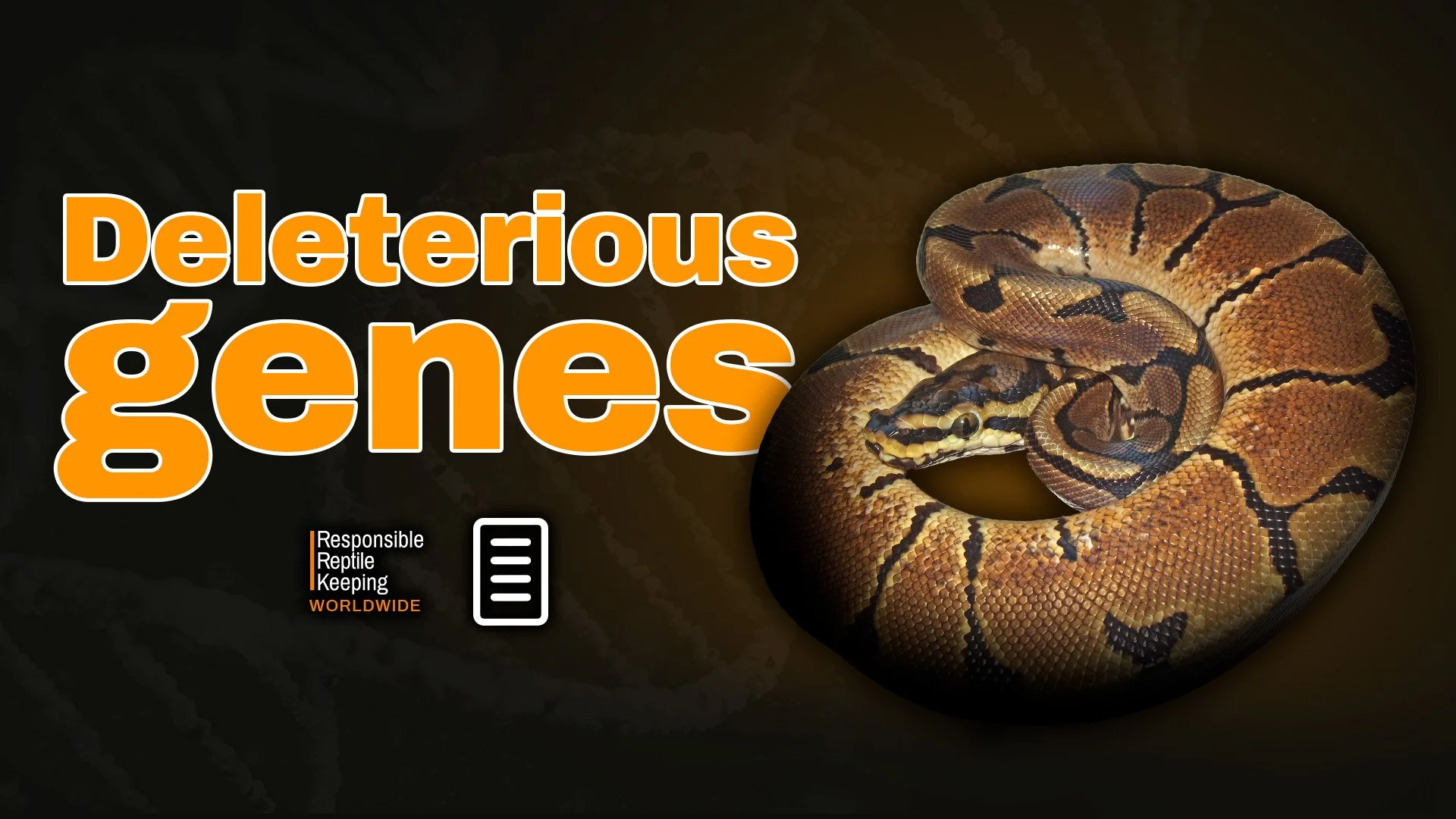
![Banner image for the article ‘Deleterious Genes’ showing a spider morph ball python, illustrating the ethical and genetic health concerns associated with selectively bred reptile morphs linked to neurological disorders.]()
Deleterious genes