
Deleterious
genes
Good welfare is a test of responsible keeping and breeding. By identifying harmful, inherited traits and steering away from them, the reptile community is showing self-regulation in action. Charles Thompson of the Reptile and Exotic Pet Trade Association (REPTA) explains how REPTA is leading the way.

Summary (TL;DR)
Selective breeding in reptiles has produced many healthy and visually distinctive morphs, but some inherited traits are linked to serious welfare problems. REPTA’s Deleterious Genes Policy identifies morphs associated with harmful conditions such as neurological disorders, tumour risk and skin vulnerability, and recommends that these animals should not be bred or sold. Examples include spider ball pythons, silkback bearded dragons and lemon frost leopard geckos.
The reptile community is increasingly treating welfare as a priority through self-regulation, evidence gathering and responsible breeding practices. Although formal scientific research on reptile morphs remains limited, experienced keepers, breeders and veterinarians have helped identify problematic lines and discourage their proliferation. The article concludes that responsible reptile keeping depends on education, ethical breeding decisions and a willingness to prevent harmful genetic traits from continuing within the hobby.
Welfare first
Reptile keepers have spent decades improving husbandry, refining nutrition, advancing heating and lighting, and sharing knowledge that has revolutionised standards across the hobby. Today, the growing focus is on addressing deleterious genes. REPTA has developed a Deleterious Genes Policy that highlights morphs that display genes detrimental to welfare. The policy has garnered widespread praise from keeper groups and veterinarians around the world.
What are deleterious genes?
Most of us are familiar with morphs – reptiles and amphibians that display genetically inherited variations in colour, pattern, or both. This can mean albino, striped, or patternless forms, or any number of other visually distinctive traits. Sometimes these unusual animals are found in the wild, while others show up in animals bred under human care. Either way, they are exceedingly rare and prized by enthusiasts who breed them. The desirable traits are then line-bred to produce offspring that also display the distinctive trait.
It’s part of the ‘domestication’ process, which makes animals more desirable or suitable for a life with humans, and, in most cases, this has been a positive process for both humans and the animals. For example, we’ve seen domestication selection at work with dogs bred to favour traits for a specific job or to proliferate a particularly attractive characteristic, with cattle bred for increased milk yields, and sheep to change the type or amount of wool that is produced. In reptiles, the domestication process is almost always geared to produce animals with visually attractive characteristics, and for the most part, these eye-catching morphs are perfectly healthy.
However, in a small number of cases, a problematic (or deleterious) gene can be closely associated with the attractive characteristic, creating a negative outcome that compromises the animal’s health, function or welfare. That effect might show up as poor coordination, skin vulnerability, metabolic dysfunction or increased tumour risk. And once that defect becomes apparent, pretty much everyone agrees that it is no longer acceptable to breed that morph.
Dr Stefan K Hetz is a biologist and zoologist with the German pet association Zentralverband der Heimtierbranche e.V. (ZZF). He advises policymakers in Germany and across Europe, and has researched domestication and extreme breeding extensively.
'Whenever people breed animals for particular traits, they are selecting for the characteristics they want to see in future generations. Domestication in dogs, for example, started around 10,000 years ago, and it has never really stopped. Even today, dog breeds continue to evolve into new forms under human care. That process is very different from what happens in nature. In the wild, as Darwin observed, reproduction is shaped by outside pressures. Survival favours the fittest or most adaptable animals. That is evolution. When humans take control of that process, the traits of the animal are no longer shaped primarily by natural pressures, but by human preference. Compare the wolf, ancestor of the modern dog, with a Chihuahua, poodle, or any other breed, and the transformation is striking. They no longer resemble the animal from which they came. Through domestication, breeders select the traits they find appealing, whether in dogs, reptiles, fish or amphibians. They may favour longer fins, a puppy-like face with large eyes, a shorter head, or a particularly attractive pattern on the skin. In itself, there is nothing necessarily wrong with that. The problem begins when domestication crosses the line into extreme breeding. That happens when the trait being pushed through selective breeding is developed to a degree where it is harmful to the animal’s welfare, or genetically linked to inherently harmful issues. These are usually referred to as ‘extreme breeds’ and, in the reptile community, "deleterious genes".'

Domestication vs evolution
Deleterious gene examples
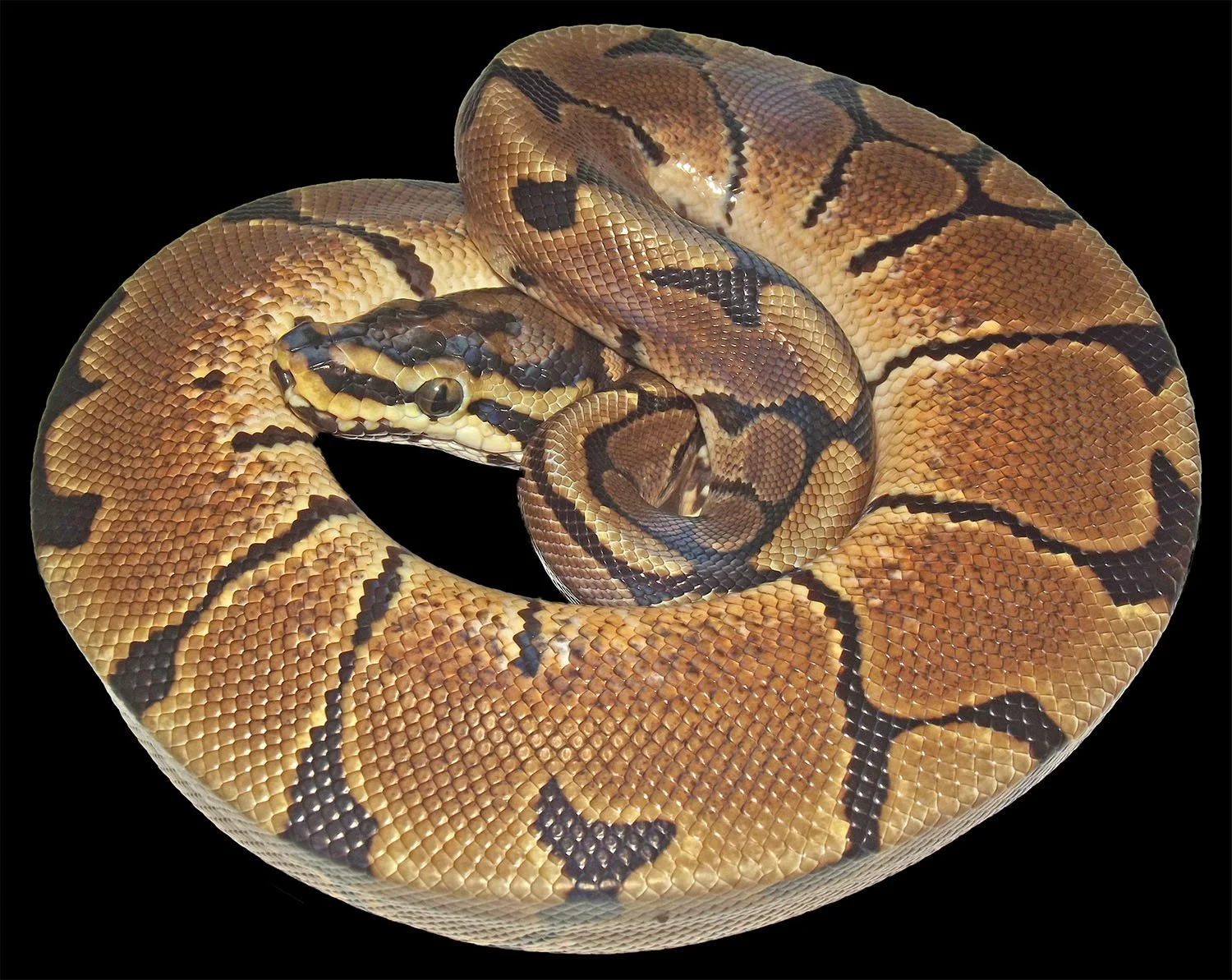
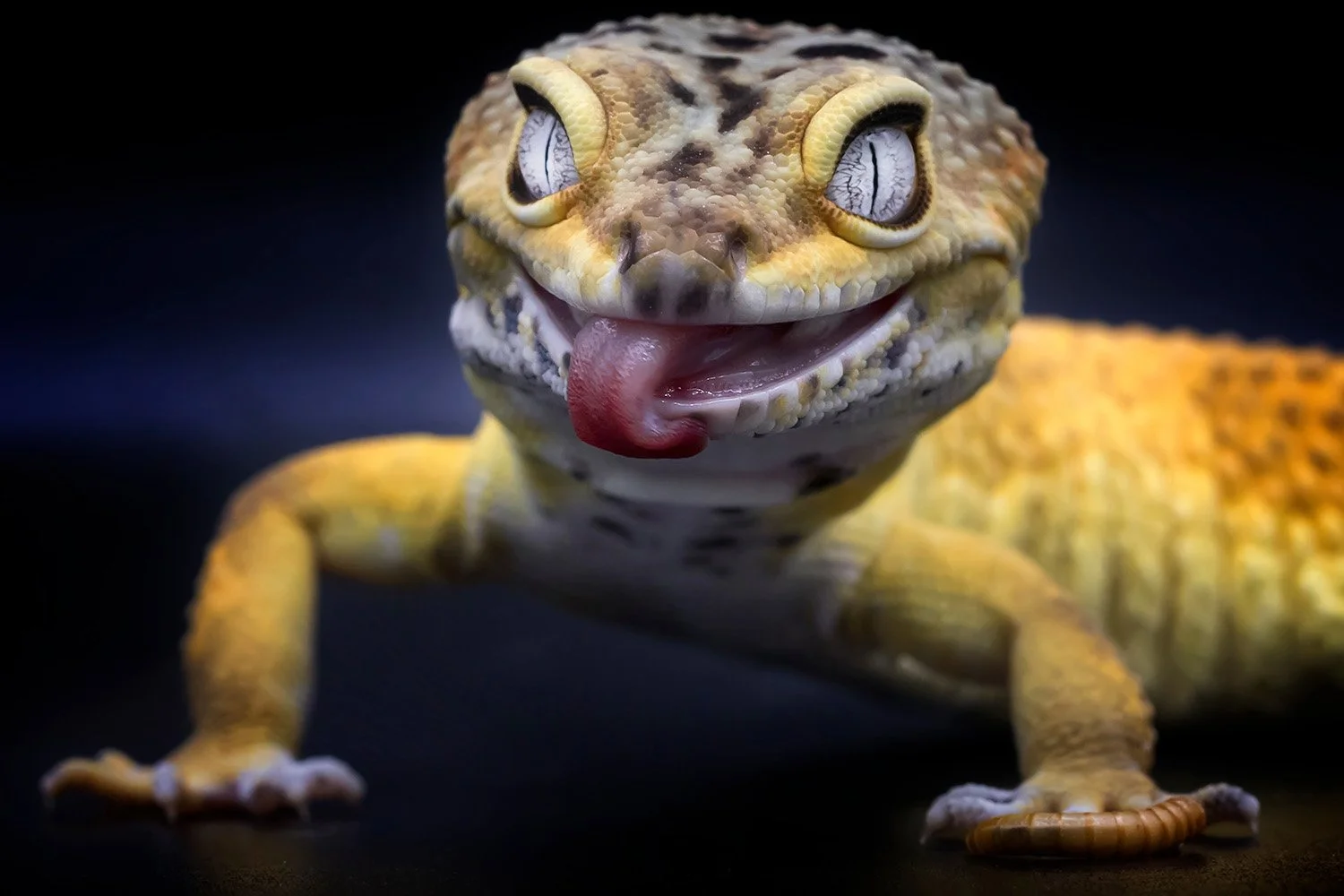
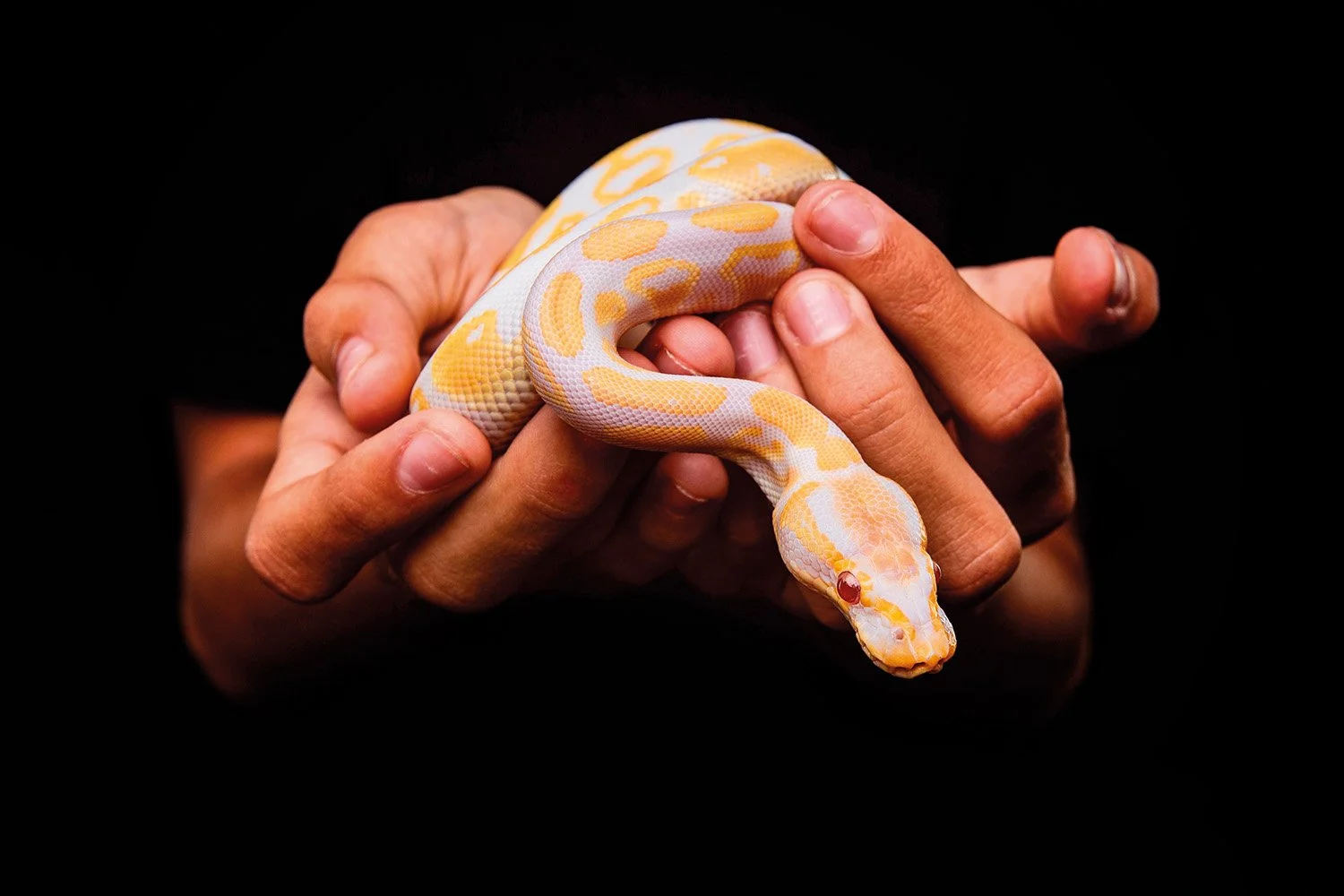
Of the thousands of reptile morphs available, there are a few clear examples known to be problematic. The spider morph in ball pythons is the most notorious. In addition to the morph’s attractive pattern characteristic, the spider gene also exhibits tremors, difficulty self-righting and problems striking accurately. Some animals appear less severely affected than others, but the underlying association is well recognised within the hobby. Most people believe that breeding the spider ball-python morph is unjustifiable when so many other attractive, safe morphs already exist.
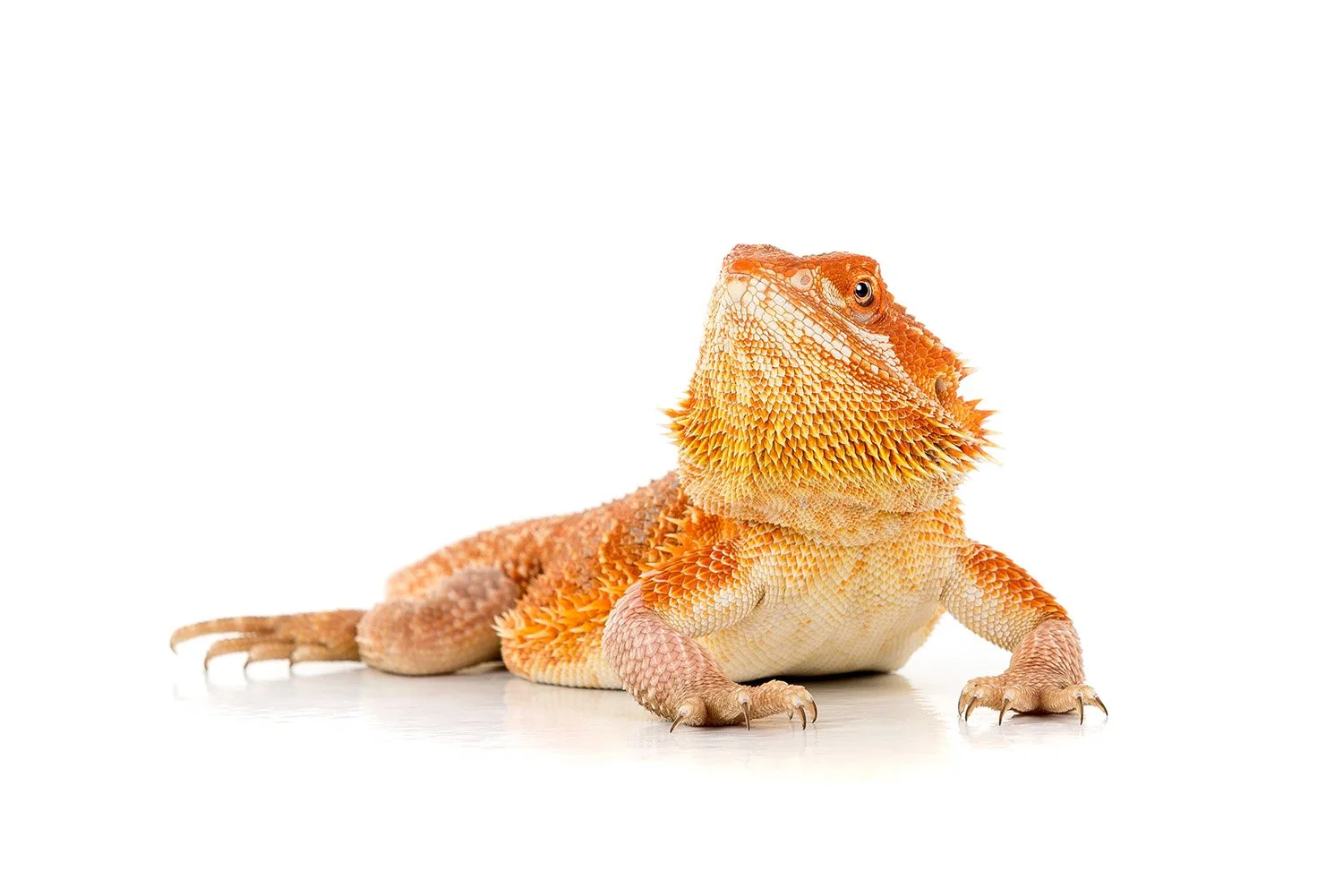
Silkback bearded dragons are another well-known example of deleterious genetics. Silkbacks are created by breeding together two leatherback morphs. The finely-scaled leatherback morph is stable, but a problem occurs when two leatherbacks are paired, producing the silkback morph that lacks scales completely. In a desert species such as a bearded dragon, skin structure plays an important role in protecting against environmental stresses, so the lack of scales we see in silkback beardies introduces welfare issues that simply don’t need to exist.
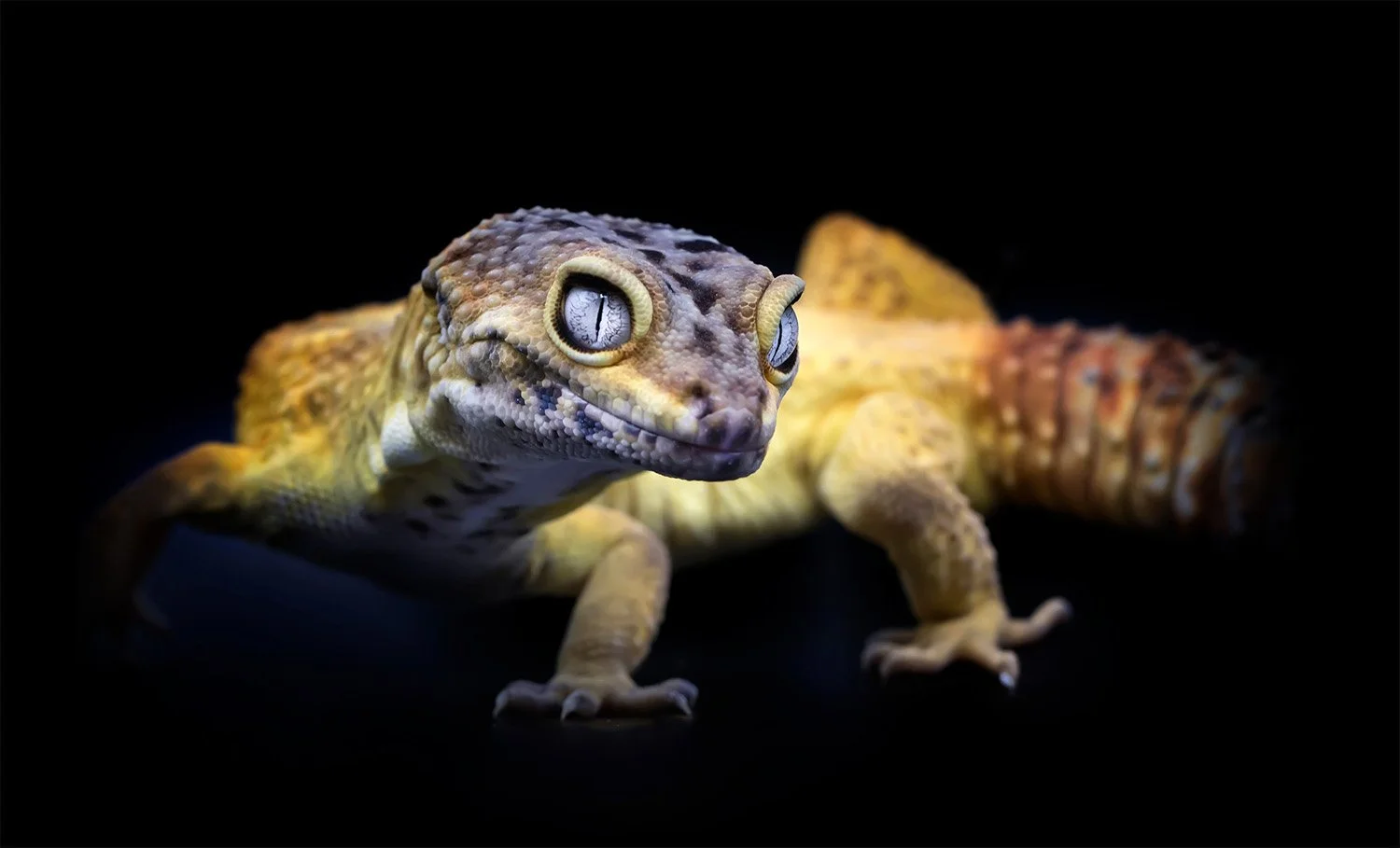
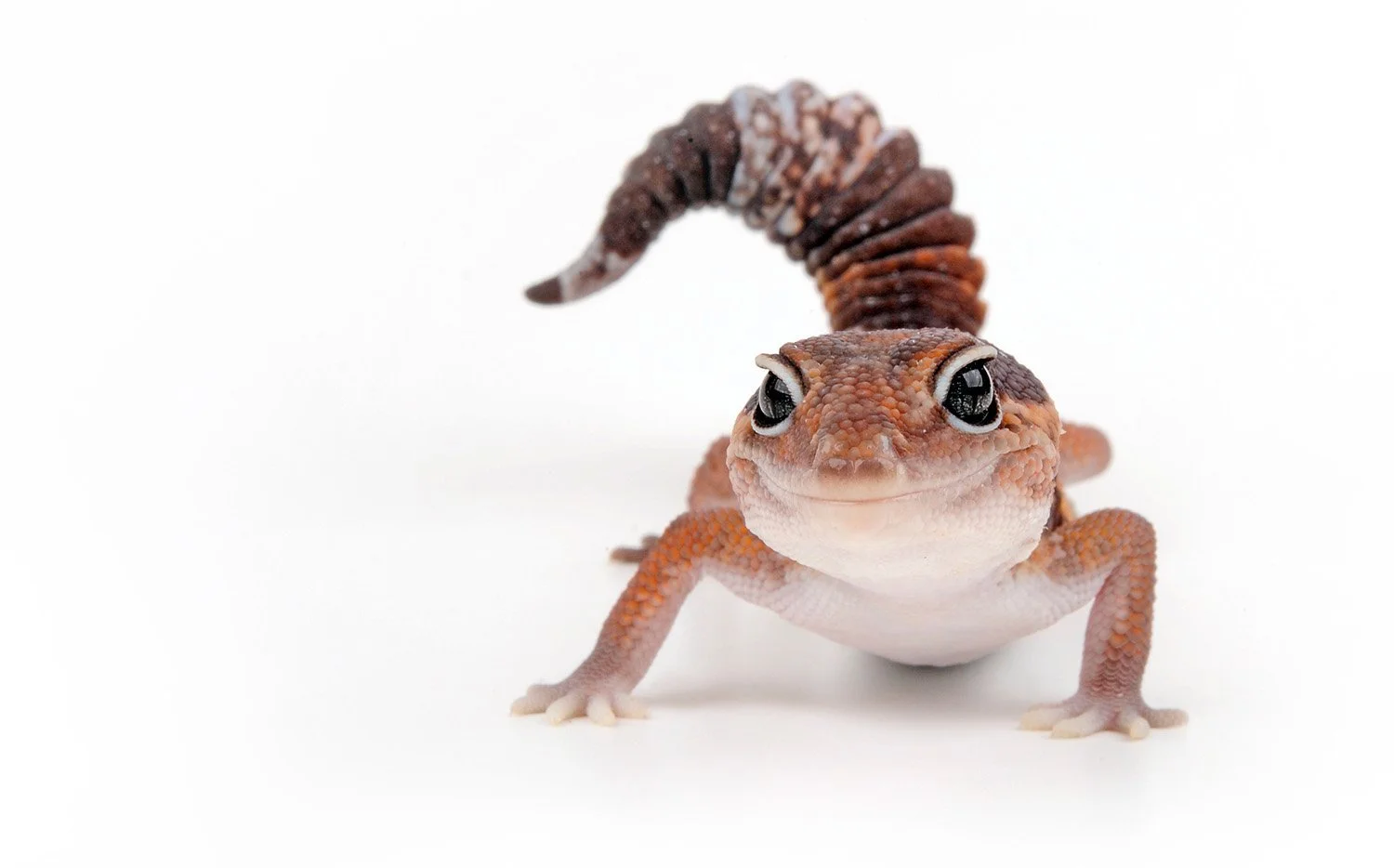
The lemon frost leopard gecko raises a different issue. The gene carries an exponentially raised risk of benign and malignant tumours. Attractive though the gecko may be, responsible keepers will find it impossible to justify.
REPTA’s policy uptake
It’s easy to see why REPTA’s Deleterious Gene Policy has been so welcomed, applauded and adopted by those who prioritise welfare, including reptile societies, expo organisers, pet-advocacy organisations and veterinary groups.
Currently, the policy features around 13 different morphs, which REPTA recommends should not be bred or sold. Pet stores that are REPTA members are prohibited from selling these morphs and risk their membership being revoked if they do so. However, there is some dispensation for rescued or rehomed specimens that can be conscientiously adopted by responsible and experienced keepers, who will care for the animal for the rest of its life.
Similarly, the morphs listed cannot be sold at an increasing number of responsibly run reptile shows, with the aim being to prevent problematic morphs from ending up in the hands of inexperienced or unwitting keepers who could breed them and proliferate the problem. We hope that by excommunicating these morphs, the problematic genes will eventually die out.

Self-regulation works
The most important part of this story is not that such issues have existed. In every animal-keeping field, some problems are inevitably discovered only with time. The more important question is what happens once they are recognised. Here, the picture from a reptile-keeping perspective is encouraging. We are proud that the reptile hobby is collectively responsible when problems such as this emerge. Experienced keepers will invariably compare notes, discuss recurring issues, and bring them into the open rather than pretending they do not exist. And in this manner, we can keep our house in order without risking draconian intervention from governments.
Reptile keeping is still a comparatively young mainstream hobby. It has not had centuries to mature and iron out every issue. This offers an opportunity. We can learn faster, respond earlier and avoid repeating mistakes made by other pet taxa groups. Reptile keepers can learn from dog breeding, where exaggerated features have plainly crossed into welfare problems that seem to persist in some breed communities. Reptile keeping can avoid those problems, and the associated bad press and over-regulation. This is exactly what self-regulation looks like.
But where’s
the evidence?
The best welfare care is evidence based, but the REPTA board is realistic about the type of evidence available. We know that formal scientific literature relating to deleterious genes is limited, and that’s hardly surprising. Universities are unlikely to pour sums of money into studying reptile morphs, so the reptile sector must rely on empirical evidence from experienced keepers and breeders who know these animals well. Although the process is not strictly scientific, it recognises that practical animal-welfare decisions are often made before the academic literature catches up. And the process can work in the opposite direction too; where credible scientific research has highlighted an issue, this information can then be adopted as best-practice policy by keepers and businesses.
Responsible keepers do the right thing
The existence of a small number of problematic lines should not condemn reptile breeding as a whole. On the contrary. Most morphs are stable, and most keepers act conscientiously. Once problems are identified, the community is often quick to respond.
Opponents of reptile keeping often try to weaponise these occasional problems to attack the entire hobby. But that is not a balanced reading of the evidence, and it is not what this policy supports. Instead, it demonstrates a community capable of self-assessment, education and self-regulation. And that’s an enormous strength, and encouragingly effective.
It also embraces the reptile-keeping culture that has consistently improved husbandry and welfare over the course of several decades, and that improvement ethic is now being applied to genetic stability. Selective breeding must keep pace with the ethical and welfare advances seen in other areas of reptile care. That is an ethical and responsible position.
The way forward
So what should responsible keepers and breeders do? As always, the answer is ‘educate yourself’. That means understanding the animals you keep, knowing which pairings are safe, recognising where welfare concerns exist, and being willing to adjust accordingly. It also requires that shops and breeders lead by example, because they are the people with the most influence.
Dr Hetz sums up the situation perfectly. ‘It's important to avoid overreacting. Not all selectively bred animals have poor health. Just because they are a specific breed, pedigree, or morph doesn't necessarily mean they are unhealthy. Instead, we should only breed healthy animals which do not suffer from genetic illness.
‘But, when a breed or morph is proven to have poor genetic health, then we should ask ourselves the question. Is it really a good idea to breed from these animals?
‘And finally, don't rely on celebrities as pet-keeping role models, because you'll sometimes find them unknowingly promoting harmful trends. Instead, do plenty of research about the animals you want to breed and ask advice from independent specialists or experts. That way you're far more likely to get good advice and a happy and healthy pet.’
Any animal-keeping community worthy of respect must be willing to draw lines, and the reptile world is showing that it can do exactly that. Welfare comes first. And when a community is prepared to act on that principle, it deserves credit. We are certainly proud of the reptile sector for their approach to eliminating deleterious genes, and we’re hopeful that other pet taxa groups will embrace the principle.
Find out more deleterious genes
-
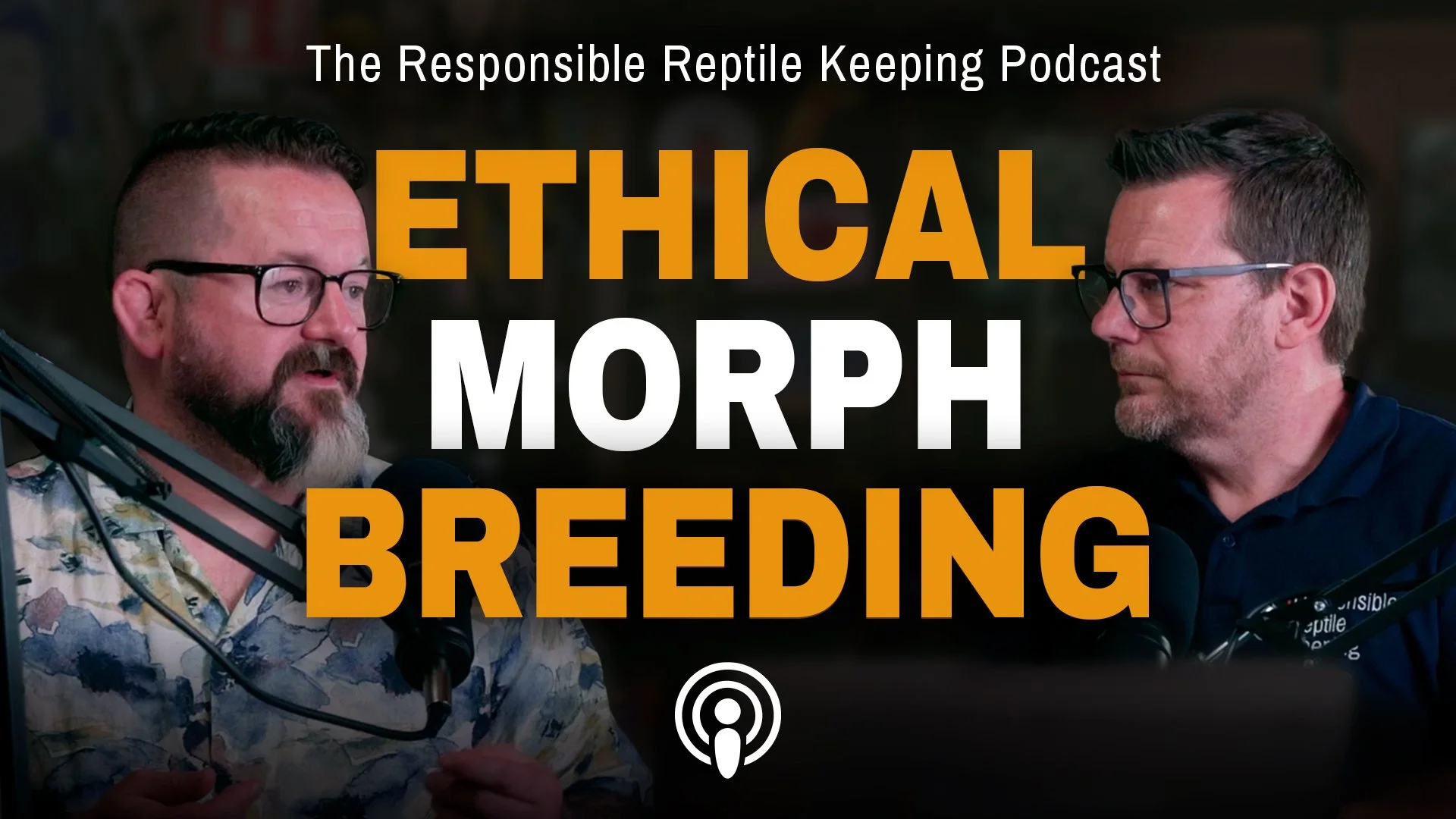
![Podcast thumbnail with the text ‘Ethical Morph Breeding’ and ‘The Responsible Reptile Keeping Podcast’, featuring Charles Thompson and Tony Wigley discussing reptile welfare, harmful morphs and deleterious genes policy]()
Ethical morph breeding – REPTA's deleterious genes policy | RRK Podcast Episode 5
-
![Thumbnail text reads “What are extreme breeds?”; image shows a Scottish fold cat.]()
What are extreme breeds?
-
![Thumbnail text reads “In depth — extreme breeds in pets”; image shows Dr Stefan Hetz being interviewed.]()
In depth — extreme breeds in pets


To enjoy more articles like this and receive our free digital magazine.
Join RRK today