
RRK investigates
Bogus reptile lamps
Everyone loves a bargain. But what if that bargain made your reptile sick or caused serious harm? Sadly, this is happening hundreds of times each day to unsuspecting people who buy reptile equipment from unreliable sources. We spoke to experts from three highly acclaimed reptile brands to find out more.
Summary (TL;DR)
Cheap, unregulated reptile lamps may provide too little, too much or the wrong kind of UVB, potentially causing serious illness, burns, eye damage or even cancer.
Bogus products can look convincingly genuine. Sellers copy trusted packaging, display fake safety marks, make misleading claims and manipulate reviews, making it especially difficult for new and novice keepers.
Reputable reptile brands invest heavily in specialist knowledge, research, testing and quality control. The higher price reflects the cost of producing equipment that is safe, reliable and designed around reptiles’ needs.
The safest approach is to choose trusted brands and buy from knowledgeable reptile specialists. Until online marketplaces enforce better standards, the reptile community must help educate keepers and expose dangerous products.
Bogus reptile lamps
Ask any experienced reptile keeper, and they will tell you that caring for your animal is only possible if you set up their enclosure properly in the first place. One of the most important provisions in many reptile enclosures is UVB lighting. You probably know that reptiles use UVB light to keep their bones and other organs healthy, and there are plenty of great UVB lamps available for you to choose from.
However, you can also find ‘UVB lamps’ sold on non-specialist shopping websites for what seem like bargain prices. These products might claim to provide proper UVB, but the amount can be tiny, or vast, or from part of the spectrum that is of no use to reptiles. So, while you might think you’re giving your reptile the care they need, they’ll eventually get sick – or worse. Some of these lamps are so dangerous that they can damage your reptile’s eyes, burn their skin or even cause cancer.
Lookalikes
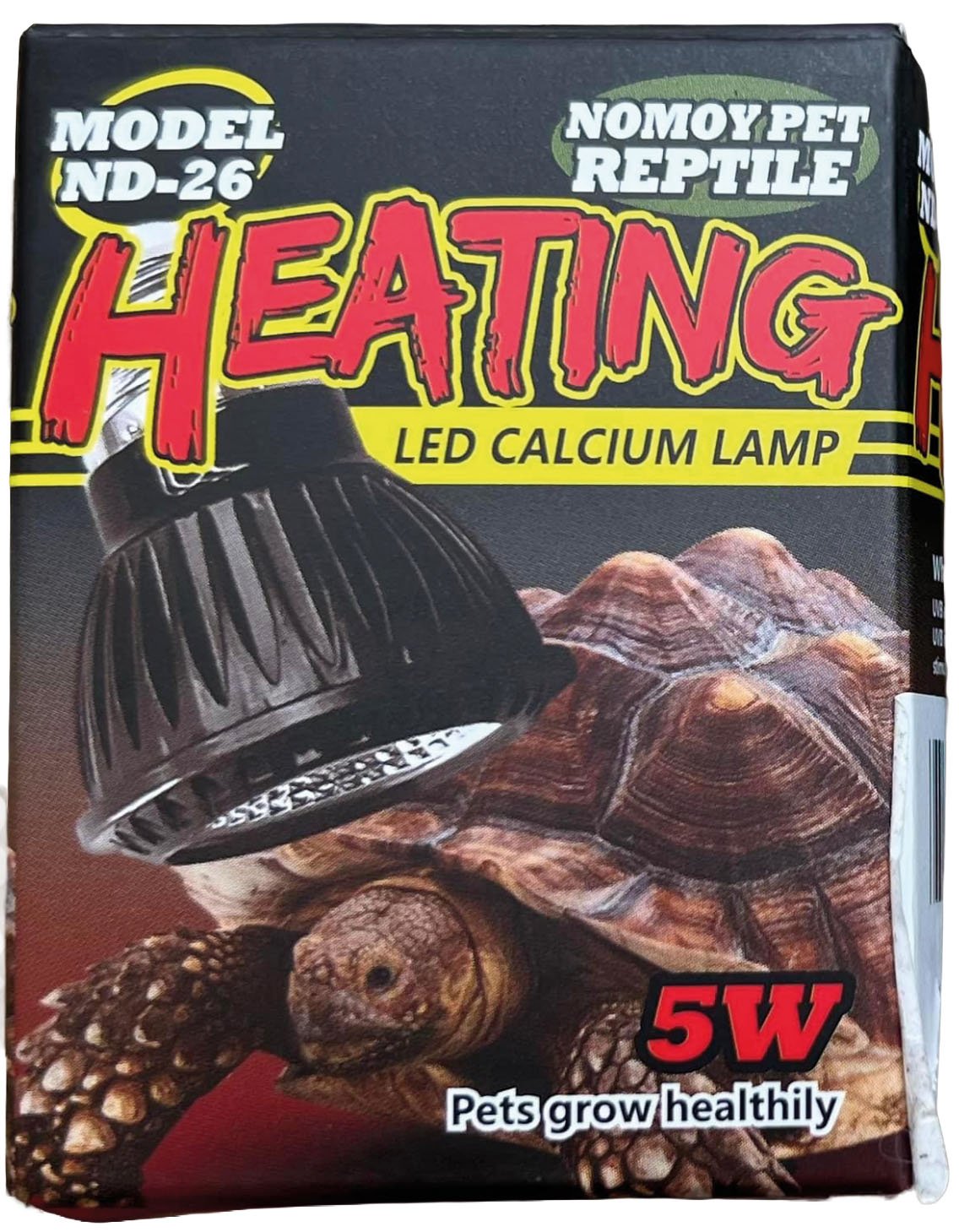
Such products often copy the appearance of reputable brands’ products and packaging and cause damage to the original brand’s reputation.
Cyril Geoffray, UK Regional Sales Manager, Zoo Med
Not just lamps
It’s not just bogus lamps that are a problem. You can also find other poor-quality products with dangerous electrical parts, flimsy materials, or cheap components which fail or fall apart.
Why is this happening?
Traditionally, products sold for reptiles only came to the market after significant research and development. Husbandry and welfare specialists working on reptile product brands would spend time, sometimes years, developing and testing products before launching them into the trade. Then, knowledgeable retailers from specialist stores and websites would examine the product and perhaps use it themselves. And then, when they were confident that it did a good job, they would sell the products to the public. This process still happens today, but in the last ten years, something has changed.
Emmanuel Van Heygen is the Brand Manager for Exo Terra. ‘The rise of generic shopping websites such as Amazon, eBay, and Temu has changed the way consumers buy reptile products,’ explains Emmanuel. ‘While this does provide more choice, it also presents several significant issues. One of the most concerning issues is the influx of substandard products from Chinese factories that sell directly to the public, often undermining the quality of established brands. This has worrying and dangerous implications for reptiles and the reptile-keeping community.’
‘And it’s not just that these products don’t work well,’ says Cyril Geoffray, the UK Regional Sales Manager for Zoo Med, who is keen to highlight the misleading safety claims these products often display on their packaging. ‘Many products imported from Asia falsely display safety certification logos, such as the British Standards Institution kite mark. But once the products are examined, it’s clear that the logo is simply printed on the packaging and has not been checked or qualified to the desired standard.’
It’s a sentiment mirrored by other experts, too. John Courtney-Smith is Head of Science and Innovation for Arcadia Reptile. ‘We see many substandard lamps that would be detrimental to reptiles,’ says John. ‘These lamps have been created badly or through misunderstanding, and some have even been imported in a totally uncontrolled fashion by non-pet-keeping companies with the sole aim of making money. Many of these would not only be ineffective but also downright dangerous.’
Many products imported from Asia falsely display safety certification logos, such as the British Standards Institution kite mark.
Cyril Geoffray, UK Regional Sales Manager, Zoo Med

How to get scammed
Unfortunately, it is all too easy for new and novice keepers to get taken in by the spurious claims made in online listings, not to mention the cheaper prices. So, it’s not surprising that consumers unknowingly purchase inferior products.
But that’s not the only way consumers are deceived. ‘The manipulation of product reviews further complicates the issue,’ explains Emmanuel. ‘Many of these online sellers engage in unethical practices, such as fake reviews and incentivised ratings, to boost their product rankings. This misleads consumers into buying shoddy products based on false feedback.’
Meanwhile, the established brands that operate ethically are disadvantaged, and those that undergo testing and quality assurance processes will find it difficult to compete with the cheaper alternatives that cut corners on quality and safety.
Fighting
back
If this is the first time you’ve heard about bogus reptile products, you might be wondering why it’s being allowed to happen and what can be done to stop it. Frustratingly, reporting sellers and products to Amazon or eBay has proven futile, as has been demonstrated by the efforts of established brands and reptile advocacy groups such as RRK. ‘This is because the claims made in the listing aren’t always entirely untruthful,’ explains Tony from RRK. ‘The lamp in question might indeed contain an amount of “UVB light”. However, the fact that the UVB light emitted is useless or harmful to reptiles is not discussed, misleading new and novice keepers into believing the product is comparable to more effective and reliable lamps. And even when companies are forced to remove a product following a complaint, the same product often pops up for sale from a different seller.’
So, what can be done?
The herp-care community
While it is shocking to see that online platforms have allowed substandard and dangerous products to be sold, there is light at the end of the tunnel. And it comes from the passionate people within our reptile-keeping communities, who can offer advice and guidance to those who might be looking for a bargain.
Rita Zarate, VP of Sales and Marketing at Zoo Med, sums up the solution nicely. ‘The herp-care community can make it a priority to educate consumers and retailers about the importance of buying lamps which are developed and produced by reputable companies that have really done their homework. It’s also helpful to point out that trusted companies, such as Zoo Med, often offer support in the form of further education and warranties on their quality products.’
‘Amazon and other online retail platforms must implement stricter rules and monitoring mechanisms, ensuring sellers adhere to established standards and ethical practices,’ adds Emmanuel Van Heygen. ‘Increasing transparency about a product’s origin, enforcing intellectual property rights and curbing review manipulation are essential steps to create a safer marketplace.’ Sadly, until this happens, bogus, substandard and dangerous products are still finding their way into reptile enclosures and keepers’ homes, and it seems it is entirely up to the reptile community to solve this worrying problem – for the present at least.
How to avoid getting scammed
As we’ve mentioned already, the people buying bogus products are usually new and novice keepers who are just starting to learn about reptile care. Thankfully, there is a lot that can be done to protect new keepers and set them on the best path to success. Tony from RRK offers this advice: ‘The best way to avoid bogus products is to buy from reliable sources. Choose well known and trusted brands and buy from people who are passionate about helping you keep your reptile fit and healthy. This might be a reputable breeder, a pet store with knowledgeable and experienced staff, or an online supplier that is a reptile specialist. If you buy from someone who knows their stuff, then the products they recommend will almost always be reliable and good quality.’
A good test
New keepers are more likely to have difficulty identifying good products from bad ones, so what can they do to avoid problems? One good question to ask is, ‘Does the brand reptile husbandry and welfare experts on staff?’ All reputable, reliable product manufacturers will have a strong social media profile showing their products being used by passionate and experienced keepers, and likely have a renowned husbandry specialist as a key member of staff.
Emmanuel Van Heygen goes further, saying ‘The established brands in the reptile industry have invested heavily in innovation, research and development to create products that meet the specific needs of reptiles. This commitment to quality comes at a cost, which is reflected in the price of their products. Lower-priced alternatives often do not meet the same quality standards, potentially putting reptile health at risk. If a product is offered at a price that seems too good to be true, it’s almost always going to be substandard in one way or another.’
‘Profiteers enter our hobby with the sole goal of making money from products that may undermine all the good work being done by reputable brands,’ says John Courtney Smith. ‘It places our animals, and even our homes, at risk.

Protecting reptile keepers
Many of the established reptile brands are not just focused on profit. They contribute to organisations such as USARK (United States Association of Reptile Keepers) and Responsible Reptile Keeping, which fight for the rights of individuals to keep reptiles and amphibians. These organisations work tirelessly to advocate for responsible pet ownership, lobby against restrictive legislation and promote conservation efforts. By purchasing from reputable brands, consumers also support these vital initiatives and ensure the future of their hobby.
Taking
action
It would be wrong to suggest that bogus products never end up on the shelves in reptile stores or get listed by specialist online suppliers. It’s extremely rare, but it has happened and likely will do so again. Such products are invariably identified by the reptile community and quickly removed from sale. However, the number of bogus products available through non-specialist channels is staggering. That means it’s up to us, the reptile community, to address the problem.
Find out more bogus reptile lamps
-
![]()
Where to find the best UVB lamps for reptiles

To enjoy more articles like this and receive our free digital magazine.
Join RRK today