
The positive-list
problem
The positive-list problem
Pet positive list
/,pet 'pazativ list/
noun
a list of animal species that are allowed to be kept, while any species not on the list is banned or otherwise regulated.
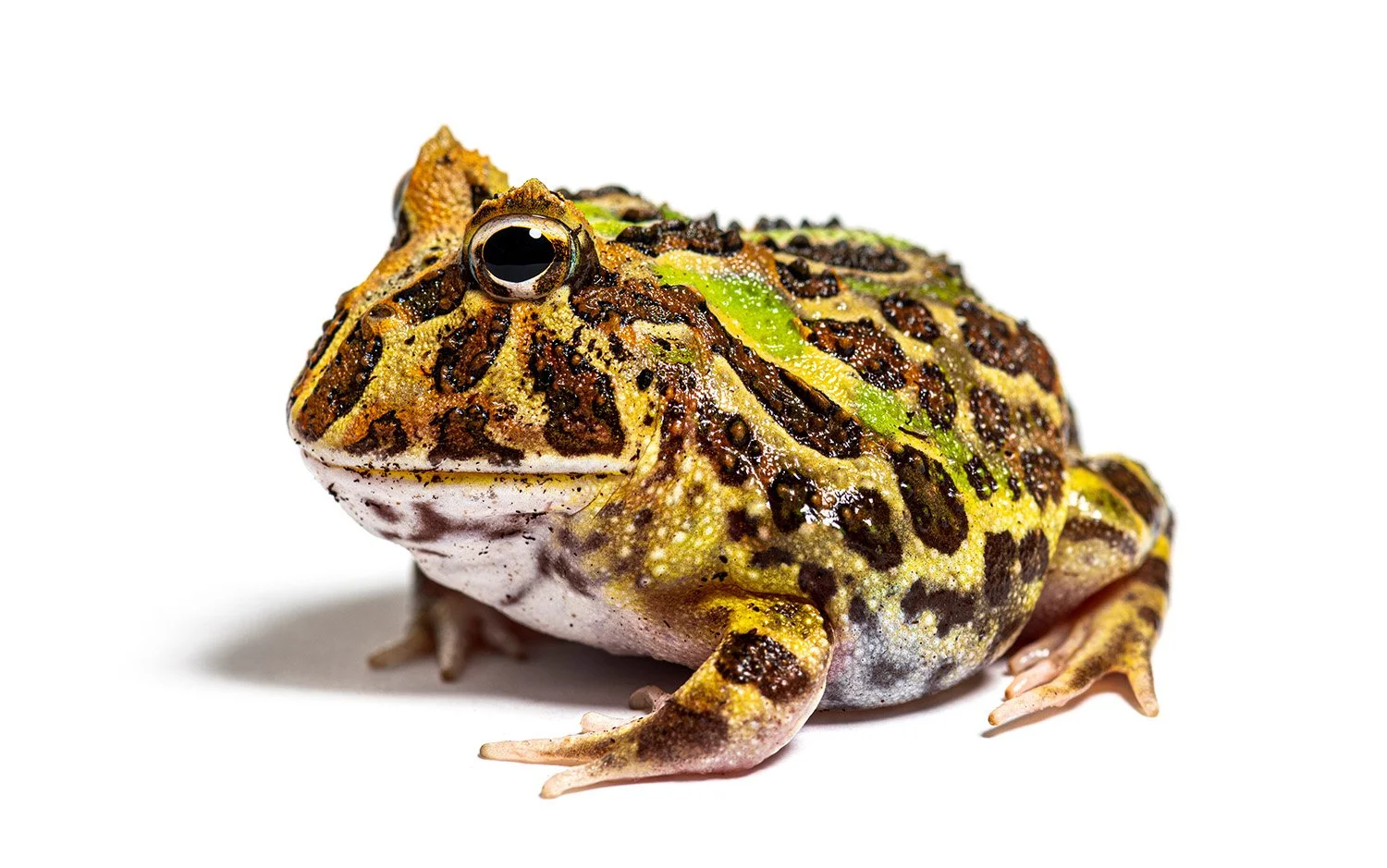
All around the world, positive lists for pets are fuelling heated debates among animal keepers, lobbyists and policymakers.
A positive list limits pet ownership to a small selection of species, with all other species not on the approved list being automatically banned.
Supporters argue that such lists help control invasive species, protect public health, and improve animal welfare. However, the evidence supporting these claims is dubious at best, and more often non-existent. And, according to Dr Martin Singheiser from Bundesverband für fachgerechten Natur-, Tier- und Artenschutz e.V. (BNA), an organisation that advises German policymakers, positive lists do not work in practice.
Dr Singheiser puts it plainly: ‘We do not see positive effects in the countries where positive lists have been implemented. And there is no evidence from these countries that they improve animal welfare, species conservation, invasive species control, or zoonotic disease management.’
Summary (TL;DR)
Positive lists restrict pet ownership to a defined set of allowed species, with all others banned. Supporters argue these lists protect welfare, control invasive species and safeguard public health, but evidence from existing schemes shows they fail to deliver these outcomes. Lists in Belgium and the Netherlands have been overturned or criticised for lack of scientific basis, and enforcement is weak or absent in practice. There is no clear data showing positive lists improve animal welfare, and they risk harming welfare and conservation by driving ownership underground, eliminating long‑term captive populations and reducing the pool of experienced keepers who contribute to husbandry knowledge. Instead of blanket species bans, targeted, science‑based regulation, improved enforcement of existing laws and better education for keepers are presented as more effective measures.
Lacking evidence and scientific rigour
The campaign for positive lists has foundations in animal liberation ideologies, and is frequently pushed by lobbying organisations openly seeking to end private animal keeping altogether. Within that context, any restriction on pet keeping is a step closer to a wider pet-keeping ban. A positive list, Dr Singheiser warns, is ‘just the start’, even when it risks worsening the very problems it is supposed to address.
The positive lists currently in force around the world do not provide encouraging feedback, and there is little evidence that the model is effective. For example, the positive list in the Belgian district of Wallonia faced sustained criticism and was overturned in the Belgian court because it unfairly restricted the freedoms of keepers and businesses. In the Netherlands, a positive list has been legally overturned on three occasions due to a lack of scientific rigour, with the latest iteration also being fought in court.
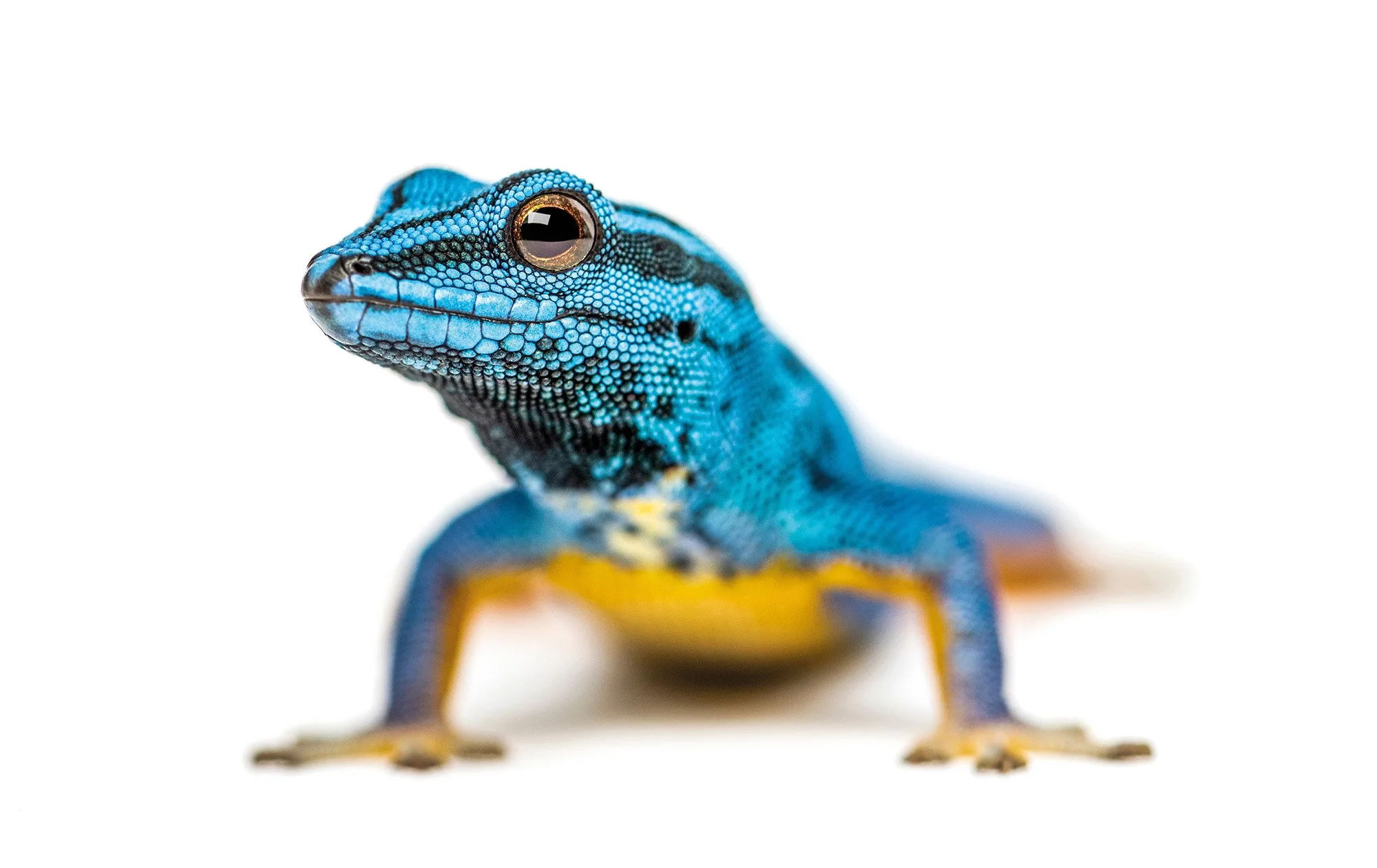
The Dutch positive list
‘The Dutch positive list for mammals (and soon reptiles) isn’t based on science, and is heavily shaped by animal-rights campaigners. Crucially, it does nothing to improve animal welfare. The risk assessment ignores the fact that many species have been successfully kept for decades with excellent welfare, and it ignores how unlikely the actual risks really are. On top of that, a positive list makes it harder to carry out ex situ conservation for species that are endangered in the wild.
So it is bad news for the species, their welfare, and their keepers.’
- Floris Visser, Stichting Platform Verantwoord Huisdierenbezit (PVH)

Several countries with positive-list legislation in place failed to produce lists of allowed species that are coherent or scientifically defensible. At the European level, where anti-pet-keeping organisations are lobbying for an EU-wide positive list, the law requires that any such list must be fair and based on scientific criteria – something positive-list proponents invariably struggle to meet.
Despite the claims of lobbyists, there is no evidence base showing that positive lists lead to better outcomes, and there has been a woeful lack of scientific rigour when constructing lists of allowed species. Decisions about which species to allow and which to ban are often ideological and poorly evidenced, creating laws that lack scientific foundations and a regulatory overreach that is impossible to enforce. As Dr Singheiser notes, ‘A sound scientific basis on which a positive list could be based is lacking.’
Regulatory and enforcement concerns
Even the best laws fail when enforcement is weak, and this is certainly the reality in many EU member states where authorities do not have the staff or expertise to enforce existing legislation – let alone a more onerous positive-list law.
Belgium offers a clear example of how enforcement gaps render positive lists ineffective. While a positive list is in place in the Belgian region of Flanders, banned species continue to be kept openly under the noses of the authorities. However, enforcement action against owners of illegally kept animals is rarely taken. There are no seizures and no moves to register the animals or regulate their care, making the positive list unenforceable and impotent.
Dr Singheiser argues that better enforcement of existing rules would achieve far more than the introduction of a new layer of restrictions. ‘It is not a lack of laws and legislation,’ he says. ‘It is a lack of enforcement. A positive list won’t make something “more illegal”. Bad actors will continue to act badly. The only difference is that responsible keepers would be unfairly punished under a positive list.’
EU law protocol
EU law also requires the least restrictive measure to be used when regulating. A positive list is not the least restrictive option. If existing measures can address welfare, conservation, and public-safety issues when properly enforced, then a highly restrictive positive list is disproportionate.

Public safety and zoonoses
Positive-list proponents often claim that positive lists help prevent zoonotic disease transmission, but the evidence does not support this. Most serious zoonotic diseases are linked to mammals and birds (such as avian influenza and African swine fever), rather than to reptiles, which are more often the focus of positive-list restrictions. Most keepers understand that the zoonotic risk associated with reptiles is mainly limited to Salmonella, which is well understood and manageable.
Again, there are strong regulatory frameworks for zoonotic disease response already in place in most parts of the world, and a positive list would not add any meaningful protection. For genuinely dangerous species, a more targeted tool would make far more sense.
It’s a similar story when we look at the arguments that aim to use positive lists as a means to protect the public from dangerous animals. The risk is negligible and apparently well-managed already, if we rely on the available data. Nevertheless, Dr Singheiser suggests that if danger is a concern, then the tried-and-tested negative list legislation has proven effective in many parts of the world. Under such a system, specific high-risk species would require demonstrated expertise and appropriate security measures. This targeted approach focuses on actual risk rather than restricting harmless species with no connection to public safety threats.
100 per cent
successful regulation
In the UK, the Dangerous Wild Animals Act has been in force since 1976. Since that date, not a single member of the public has been harmed or killed by an animal regulated by the act, making the DWAA one of the most successful (and likely unique) pieces of legislation in the world.

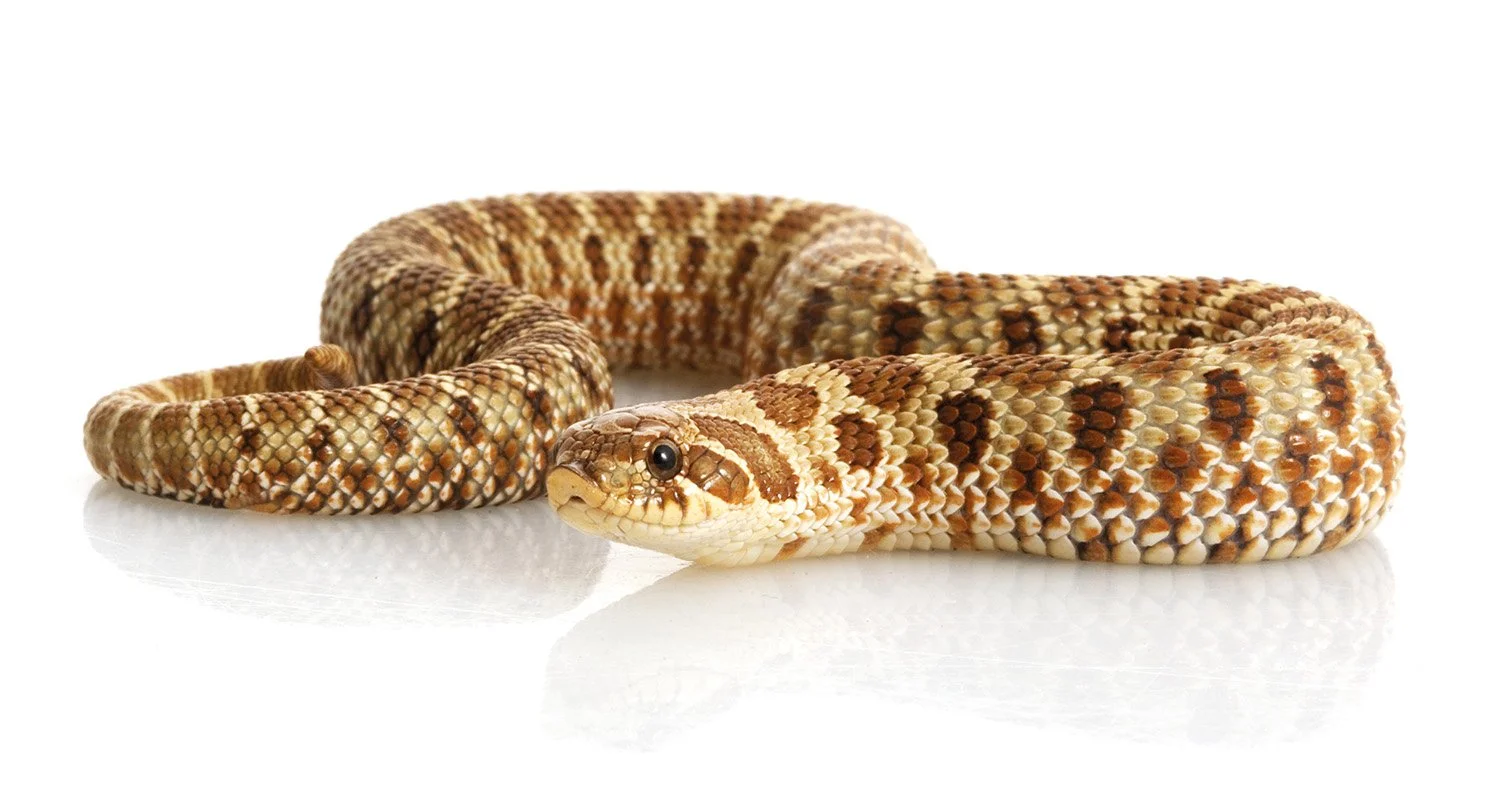
Impact on science
Positive lists also risk curtailing valuable scientific knowledge. Much of what is known about small non-domestic species comes from private keepers with long-term experience. Their work appears in literature, specialist magazines and books, and this collective knowledge has shaped pioneering advances in welfare, husbandry, and breeding – especially for rare or little-studied species. Dr Singheiser stresses this point: ‘If there were a positive list, all this knowledge would be gone.’
Many professionals working in zoological institutions and conservation research began as private keepers, so removing that pathway will diminish expertise entering these sectors. The Citizen Conservation project in Germany is just one example of collaborative work between zoos and private breeders, and the countless species maintained under human care act as living ark insurance when wild populations and their habitats are diminishing. Curtailing private keeping risks dismantling these low-key, but essential, conservation missions.
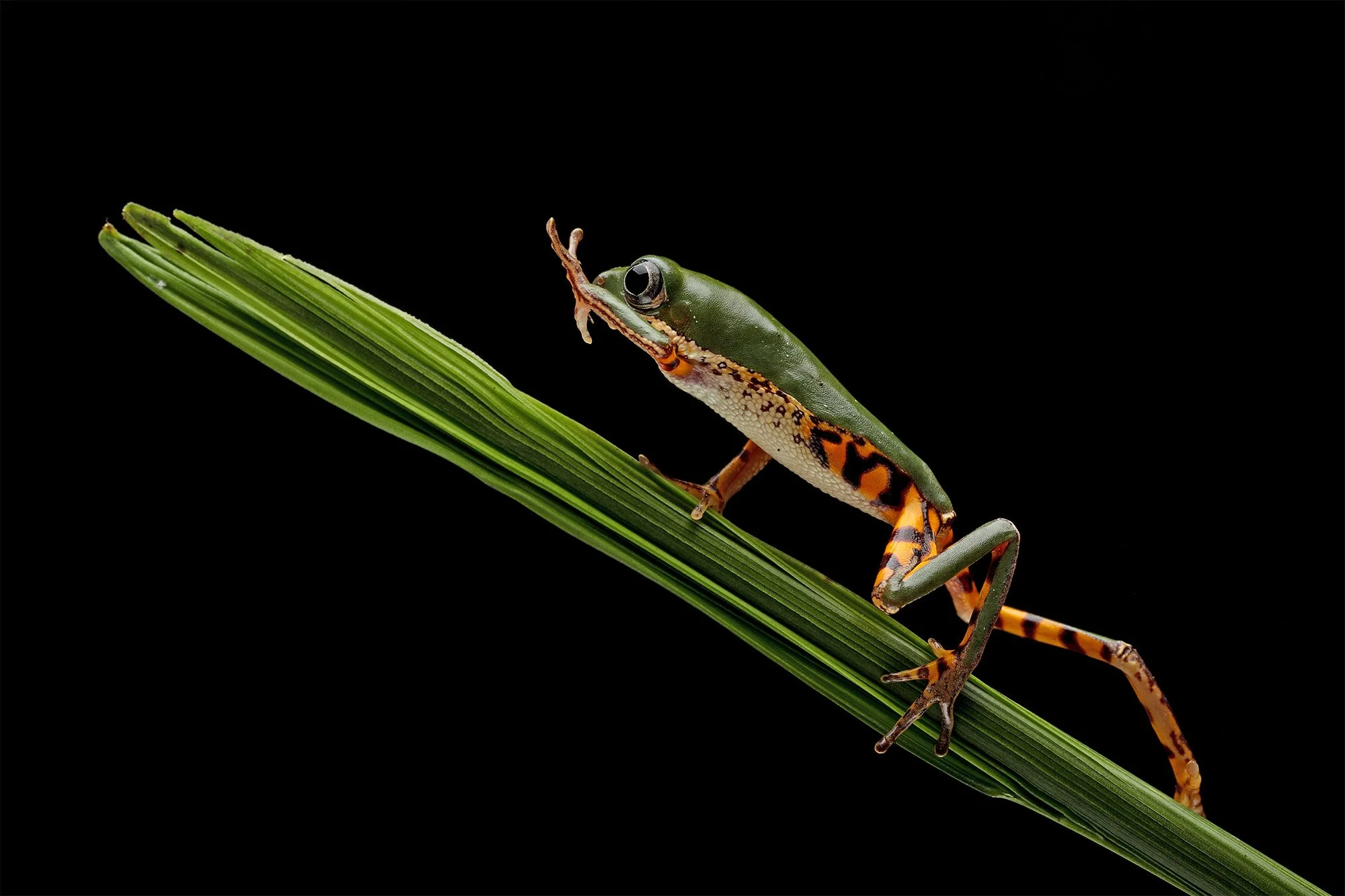
Harming conservation
Species are sometimes banned simply because they are threatened in the wild, despite thriving in responsible human care. This disconnect can undermine conservation rather than support it. Dr Singheiser highlights the risk: ‘Species that have been kept and bred under human care for decades might be banned when a positive list is in place. That is not beneficial for animal welfare or species conservation.’

Animal welfare and rehoming
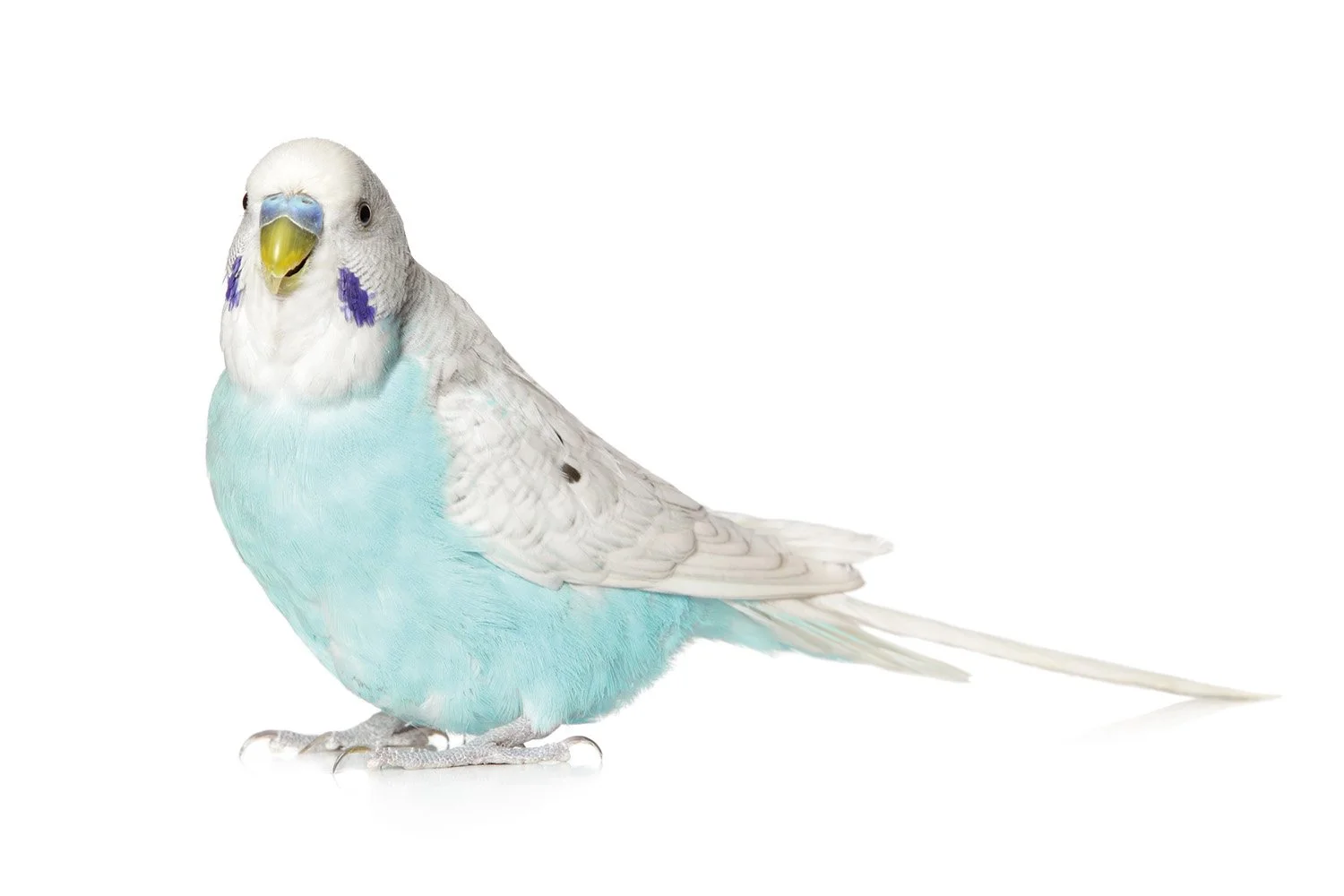
Whether we look at dogs, cats, budgies or bearded dragons, we will find that welfare issues exist. And while we must endeavour to reduce the prevalence of poor welfare, it must be understood that it would be impossible to eliminate it completely.
In the absence of data on the relative scale of welfare issues in reptiles, amphibians, and other exotic taxa, it is not possible to compare the prevalence with that seen in more traditional pets. However, what we do know is that the available evidence does not suggest that positive lists will solve the welfare problem.
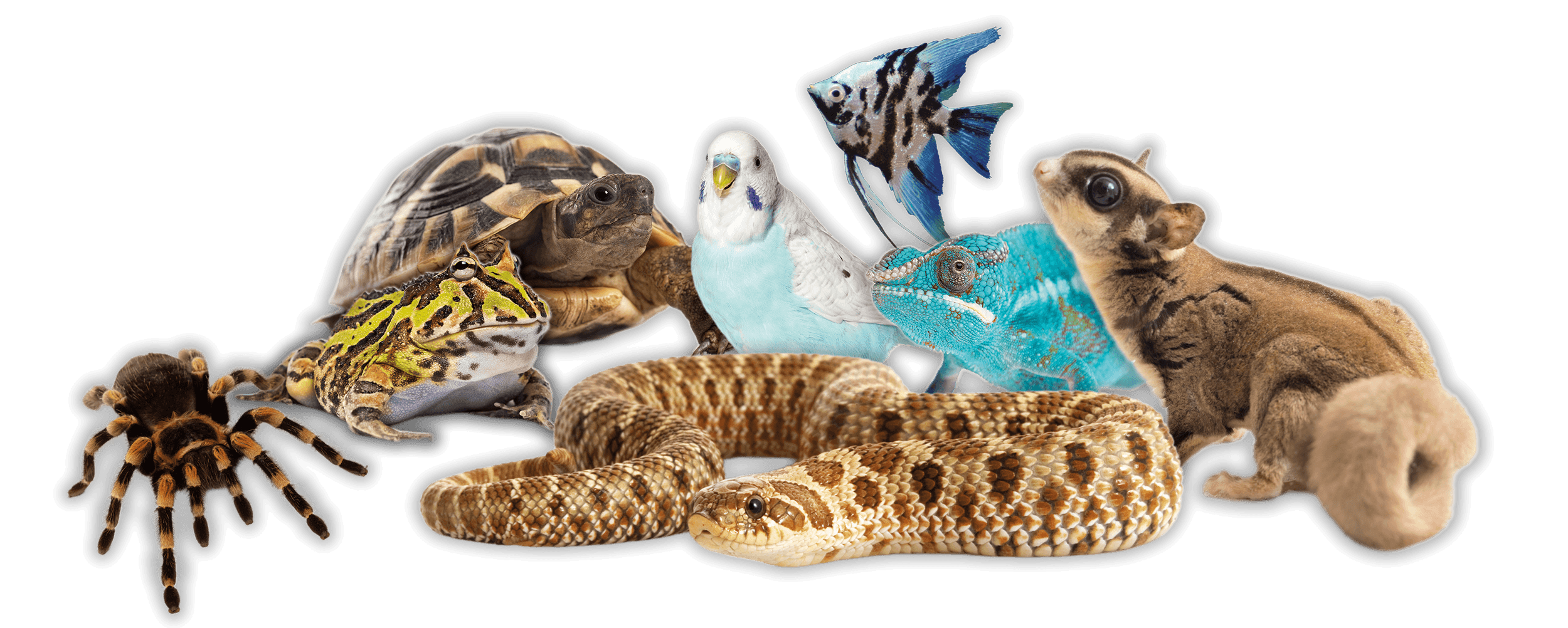
The German Exopet study examined welfare issues across various taxa and found that the animals suffering the most serious welfare problems were not typically the rare or challenging species that would likely be banned by a positive list. Instead, the worst outcomes appeared among the most common species that are kept by large numbers of owners. The more specialised species fared better, largely because their keepers were more knowledgeable, better trained, and more experienced.
The danger is that a positive list could worsen welfare by pushing well-cared-for species off the radar, while leaving common but higher-risk species untouched.
A further concern is rehoming. No one has yet clarified what would happen to animals kept legally before a positive-list introduction, that are not included on the list. Long-lived species such as tortoises and turtles would be especially difficult to rehome, and rescue centres across Europe are already full. A positive list would eliminate demand for banned species, triggering a rehoming crisis that would be catastrophic for welfare. Surprisingly, this issue seems largely ignored by proponents of the positive list, despite their claims of prioritising animal welfare.
So, what’s the solution?
BNA proposes targeted measures rather than sweeping bans. For welfare, the priority is better education for current and prospective keepers. People should understand the needs of the species they intend to acquire and be prepared to meet those needs throughout the animal’s lifespan.
For conservation, BNA calls for better data collection. Many protected species are successfully bred by skilled private keepers. Consolidating that information could create a detailed, global-scale studbook that recognises and strengthens private contributions to conservation.
For invasive alien species, education on preventing accidental release aligns with existing EU legislation and avoids penalising responsible keepers.
Zoonotic disease management should focus on hygiene, early recognition of illness, and veterinary cooperation. Training keepers to identify potential health issues would be far more effective than relying on species lists that do not reflect real disease risks.
Finally, the issue of dangerous animals could be addressed through a negative list that allows qualified keepers to hold certain species under defined conditions.
This approach targets genuine hazards without undermining responsible animal keeping.

What now?
The push for positive lists is grounded in ideology, not evidence, and the outcomes observed in countries where they have been imposed are concerning. From enforcement gaps to welfare risks and potential conservation setbacks, these lists create more problems than they solve. Where positive lists are in place, responsible keepers face draconian restrictions, valuable knowledge and experience are wasted, and animals are left in uncertain and unsafe circumstances. Far from being a solution, these measures risk exacerbating the very issues they claim to solve.
Instead of blanket bans, a targeted, science-based approach offers real results. Those who care about animals should work together to fight against positive-list proposals. Now, more than ever, pet keepers and businesses need to display a united and determined resistance.
Our animals are depending on us.
Protect your pets
Say NO to harmful positive lists
Find out more about positive lists
-
![The campaign to ban your pets]()
The campaign to ban your pets
-
![Composite thumbnail showing a stick insect on a hand, monk parakeet on a woman’s shoulder, clownfish in anemone and woman holding a bearded dragon, representing pet species affected by proposed positive lists]()
Don’t Pet Me: A campaign to ban your pets
-
![Black and white montage of snakes, birds, mammals, amphibians, and invertebrates. Text reads "DON'T PET ME" with subtitle "A documentary film by Responsible Reptile Keeping Worldwide". Includes the Responsible Reptile Keeping Worldwide logo.]()
Don't Pet Me – what would you do if your pets were banned?
-
![Thumbnail text reads “The evidence isn’t there”; image shows Dr Martin Singheiser of BNA, emphasising species conservation and responsible animal husbandry.]()
The evidence for positive lists isn't there
-
![Text on thumbnail: “Whitelists and positive lists don’t work” and “The truth”; image of a gecko with “BANNED” in stamp-style lettering.]()
WHITELISTS AND POSITIVE LISTS | How government will ban reptile keeping
-
![Thumbnail text reads “Norway’s reptile ban” with the subtitle “A dangerous déjà vu”; image shows a lizard alongside a Norwegian flag.]()
Banning reptiles doesn't work | Norway case study
-
![Shady tactics revealed – a turtle and a sugar glider look up at a European Union flag, illustrating the video about how positive lists and whitelists threaten responsible pet ownership.]()
Positive lists and whitelists: they want to ban your pets
-
![Thumbnail text reads “Whitelists don’t work” with a “FACT” stamp; image shows Svein Fosså of NZB being interviewed.]()
Reptile whitelists haven't worked in Norway
-
![Video thumbnail showing Tony Wigley discussing threats to reptile keeping, with on-screen text reading “Reptile keepers under attack” and “Positive lists failed”, alongside flags of multiple countries.]()
Reptile keepers are under attack!
-
![Thumbnail text reads “Ball pythons banned”; image shows a ball python and the interviewee wearing headphones.]()
Ball pythons banned – worse to come
-
![Protester holding a megaphone, symbolising activist pressure and the use of loud campaigning tactics discussed in the animal welfare debate]()
Silencing the experts: How extremists are twisting the animal welfare debate
-
![Child holding a bearded dragon, illustrating responsible reptile keeping and handling]()
The last reptile keepers? Positive lists don't work
-
![Djungarian hamster (Phodopus sungorus) on white background, one of the animals discussed in the article about flawed science and pet policy]()
Bad science and shady politics





To enjoy more articles like this and receive our free digital magazine.
Join RRK today