
Don’t Pet Me
A campaign to ban your pets
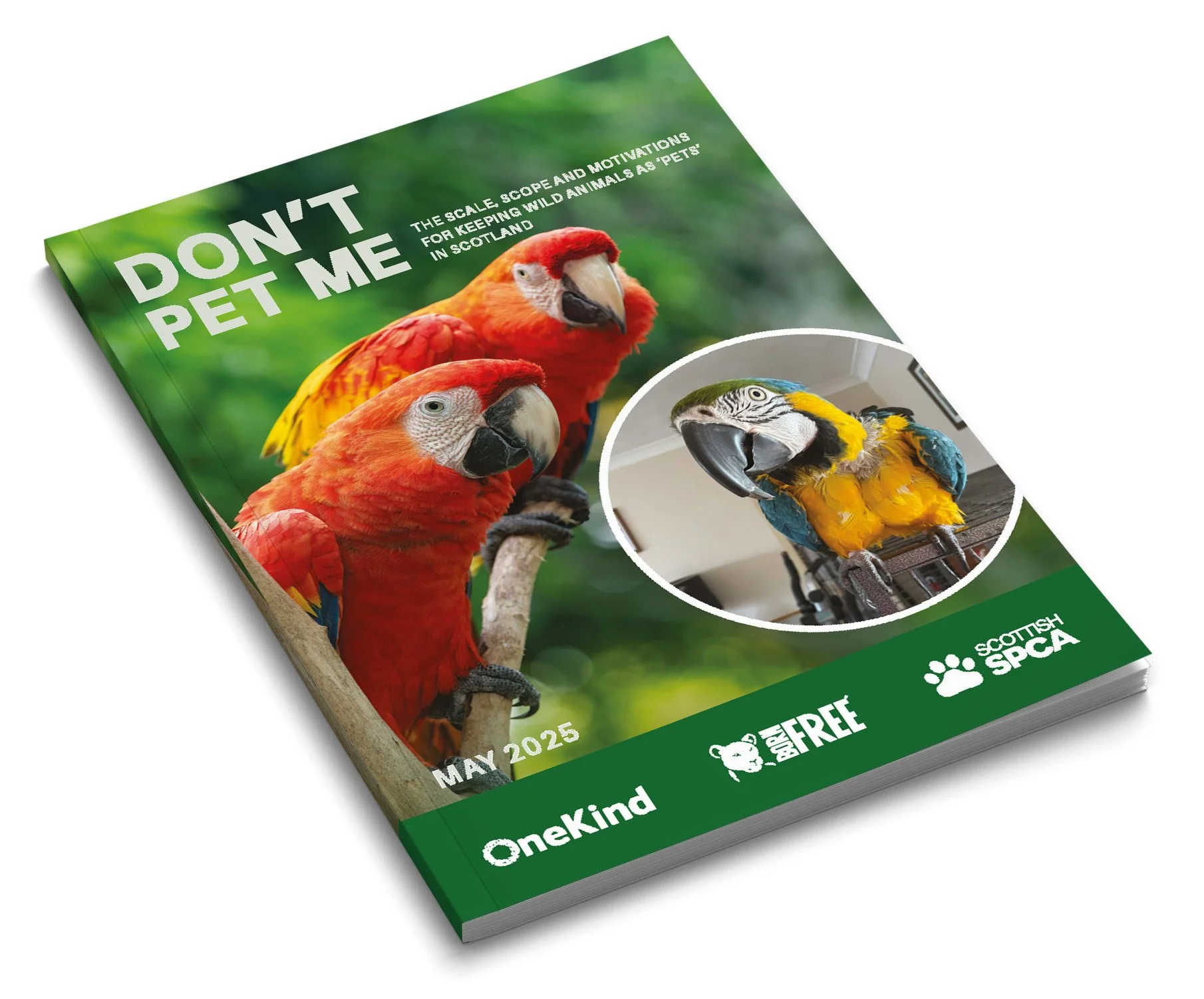
In May 2025, the largest animal charity in Scotland made a move that shocked pet experts around the world. The charity, long regarded as a pragmatic ally of animal-care specialists and responsible keepers, aligned itself with groups calling for a 'permitted list' of animals. Under such a system, only animals specifically approved by government would be legal to keep. Everything else would be banned.
If the campaign succeeds, pet care experts warn that the unintended consequences will be severe, fuelling illegal wildlife trade, undermining conservation efforts, and creating animal welfare problems.
So, what’s going on?

Summary (TL;DR)
The article explains the Don't Pet Me campaign from Scotland proposing a “permitted list” of animals that can legally be kept as pets, meaning any species not on the list would be banned from private ownership. It outlines how such lists, often called positive lists, would make thousands of currently lawful pets illegal overnight and could criminalise dedicated keepers. Drawing on examples from Norway and other parts of Europe, the article argues that these lists are not grounded in robust science, are difficult to enforce and fail to improve animal welfare. It warns that bans can push ownership underground, reduce specialist knowledge, strain rescue centres and harm conservation. The article states that existing welfare issues should be tackled through better education, targeted regulation and enforcement of current animal-cruelty laws rather than broad species bans.
Banned!
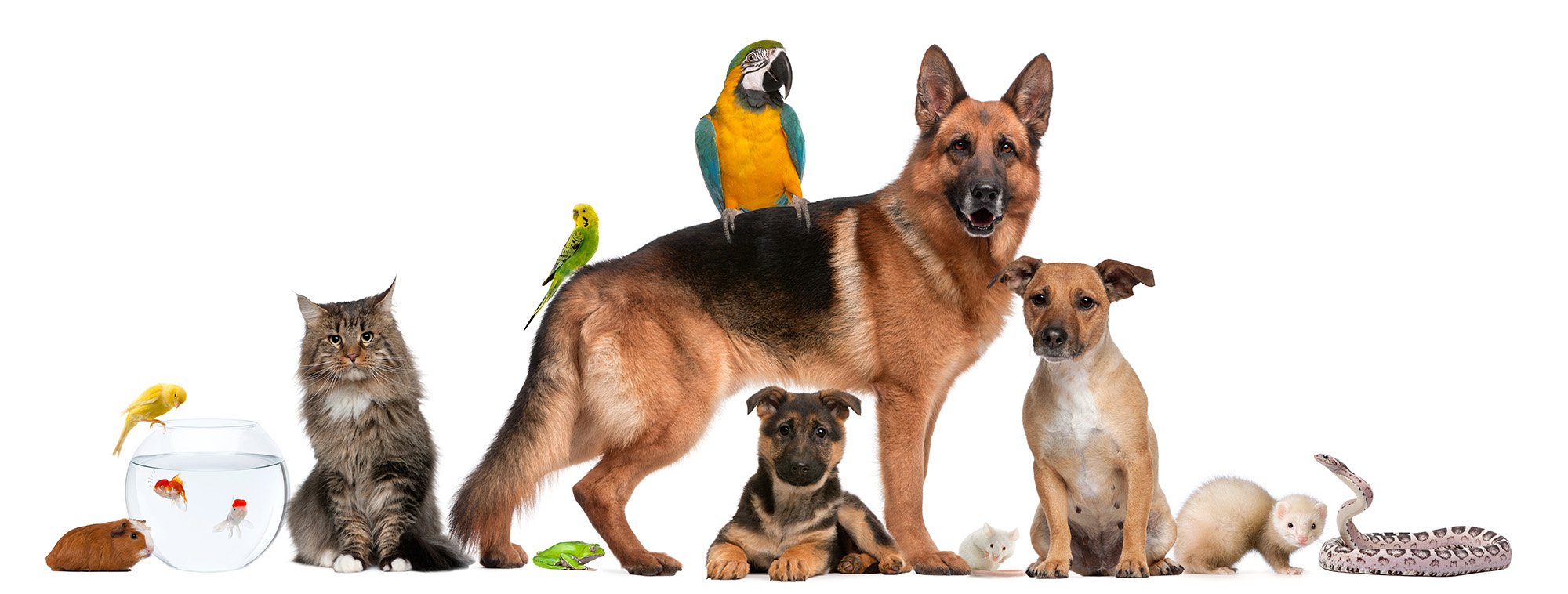
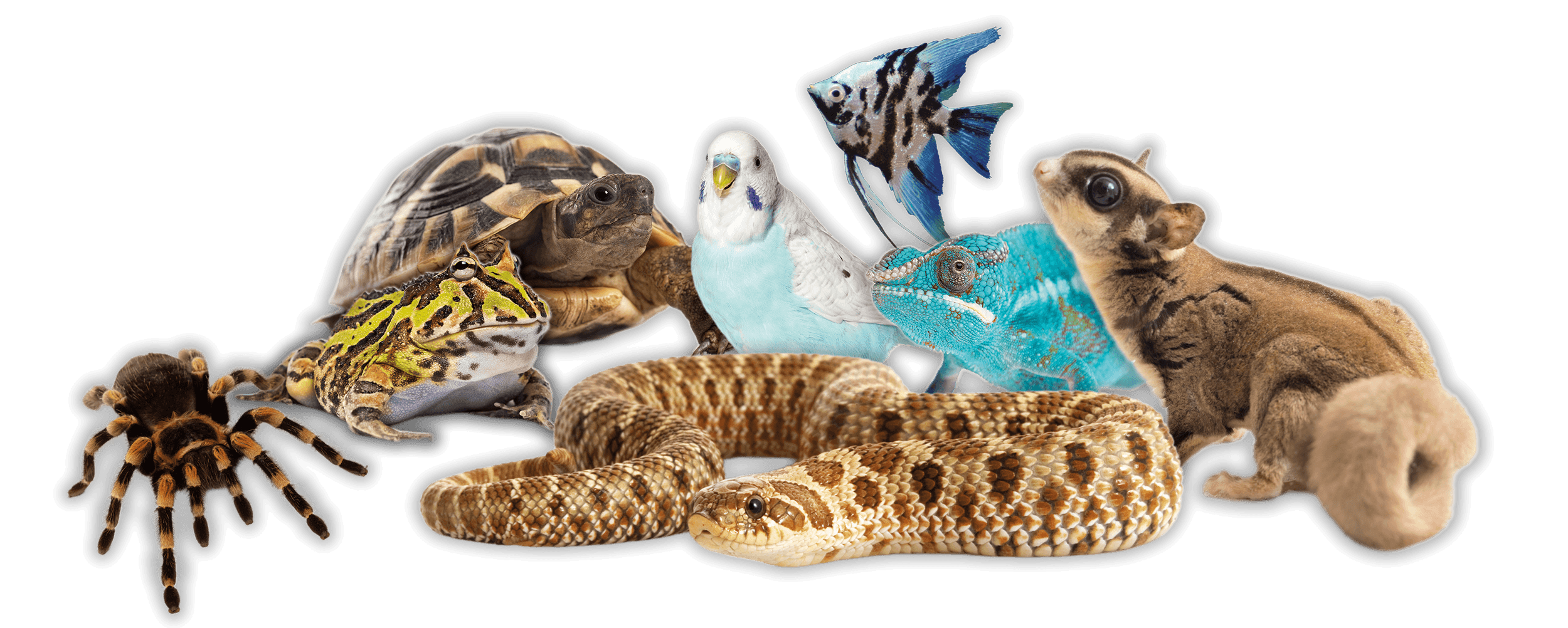
All around the world, millions of people keep pets that many would consider unusual: snakes, lizards, birds, fish, and, for some, even invertebrates. But the Scottish SPCA (SSPCA) is pushing the Scottish Government to ban thousands of pet animals, making it illegal to keep or breed them.
The proposed tool is a 'pet-keeping permitted list' – often called a 'positive list'. It sounds mild. Even reassuring. But the mechanism is deeply flawed. A positive list is a list of animals the government permits you to keep. Any species not on the list is banned.
In practice, this means animals that have been cared for perfectly well and kept safely for centuries, such as many snakes, lizards, tortoises, birds, small mammals and fish, would become illegal overnight if they fail to make the cut
A positive list is also sometimes known as a whitelist or an approved list, but they’re all the same thing – a ban on every type of animal that is not specifically approved by government officials. The move has alarmed many experienced animal-care specialists who are concerned by the sudden change in the SSPCA’s policies.

Any species not on the list is banned.
What a 'positive list' really means
A positive list is a list of animals the government permits you to keep. Any species not on the list is banned. Permitted lists, whitelists, and approved lists are the same mechanism: a ban by default.
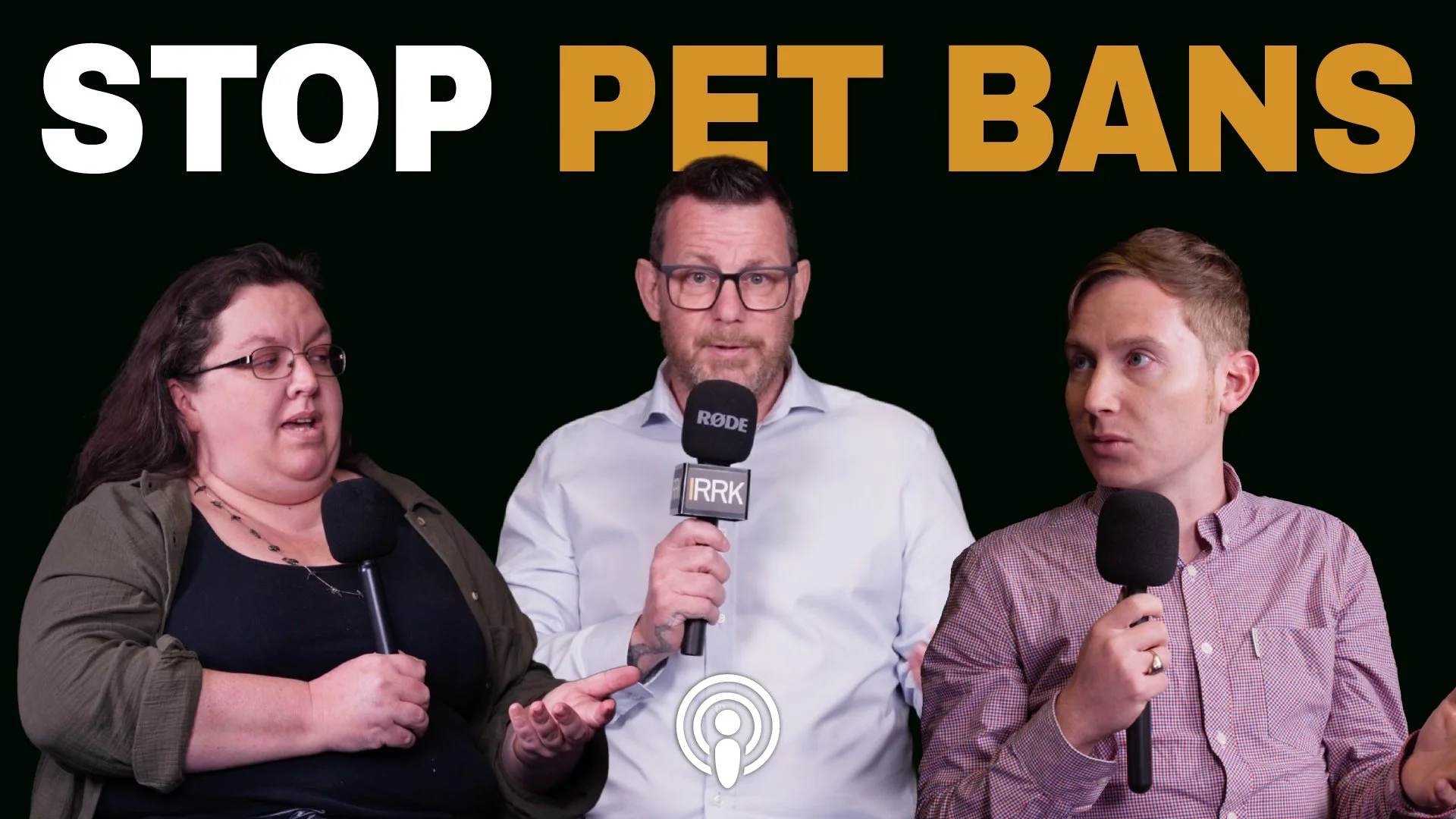
Chris Hogg, a Scottish reptile keeper and breeder, puts it more bluntly:
'The SSPCA is definitely going to lose credibility. They’ve always been evidence-based, but unfortunately, on this occasion, they’ve really let the Scottish people down.'
Positive lists fail on every level
Tony Wigley, a founder of Responsible Reptile Keeping, argues that the positive-list proposal fails under the slightest scrutiny.
'Positive lists fail on every level, which is why they have been a disaster in every region where they were introduced. They’re not based on sound science, they’re impossible to enforce, and they punish responsible keepers while doing nothing about the bad ones. They push good keepers underground and make veterinary care more unlikely. They damage conservation and breeding programmes, and wipe out the very expertise that has driven improvements in welfare for decades,' says Wigley.
'Positive lists don’t solve problems; they create new ones.'

Lessons from history
To see what happens when prohibition meets the real world, we can look to Norway, where reptiles and amphibians were banned in 1977.
Svein Fosså is President of the European Pet Organization and Secretary General of the Norwegian Pet Trade Association. He has first-hand experience of what happened in Norway during the ban.
'The ban was certainly not respected by the people who had an interest in keeping animals,' he says. With Norway’s 'relaxed border control', banned animals were 'quite easy to get hold of… [and] import… illegally by car or ferry.' It was estimated that at least 100,000 animals were being kept illegally in Norway at that time. 'It was a widespread hobby, but being illegal, people never dared to take the animals to a veterinarian, causing serious welfare issues.'
And when the state did intervene, the consequences could be stark. 'There were quite a lot of cases of animals being confiscated at the border or even in people's homes', Fosså recalls.
'And since the majority were quite common species that no zoo was interested in having, they were euthanised.'
Norway is not alone. Belgium, Spain, and the Netherlands have all implemented versions of positive lists. In each case, the laws have faced legal challenges, enforcement failures, and scientific criticism.
In Flanders, despite many keepers openly keeping banned species, authorities lacking the knowledge and resources to act are quietly tolerating non-compliance.

'Animals were confiscated… and since most were common species that no zoo wanted, they were euthanised.’
- Svein Fosså
The welfare paradox
Campaigners and activists often sell positive lists as a welfare measure, but pet-care experts argue the opposite: that welfare worsens when legal, accountable pet-keeping is banned.
'These laws don’t stop people keeping animals', Wigley says. 'From evidence in countries where these laws have been imposed, positive lists simply force keepers underground. This means welfare is harder to achieve, rehoming becomes near impossible, and trade in illegal wildlife is far more likely. Positive lists have been a disaster for animal welfare.'
Dr Martin Singheiser, a biologist and managing director at BNA, points to a looming practical crisis. 'Introducing a positive list might also create a rehoming crisis because it's not clear what happens to all species that are banned. It may create a rehoming crisis for many species, especially long-lived ones like turtles and tortoises. Rescue centres and rehoming centres are already full, and a positive list could worsen the situation.'
WHAT THE DATA SHOWS
Exotic pets account for a tiny fraction of animal-welfare prosecutions, far lower than cats, dogs, or horses. The most up-to-date report sourced from the RSPCA, the SSPCA’s sister organisation covering England and Wales, revealed that in 2019 the organisation had brought:
810 prosecution cases involving dogs
196 involving cats
182 involving horses
Whereas pets the RSPCA deems to be ‘exotic’ accounted for just 64 prosecutions combined
And remember, that covers ALL so-called exotic pets, including fish, birds, reptiles, amphibians and small mammals.
No evidence. No enforcement.
If thousands of suitable pet species are to be banned, what evidence supports the selection? What makes one animal 'permitted' and another illegal? Singheiser’s answer is disarmingly direct. 'Information showing that a positive list is beneficial is lacking, and so is the information needed to build a positive list in the first place.' Dr Singheiser’s statement is backed by a two-year study conducted on behalf of the European Commission. The report stated that data demonstrating welfare problems or conservation issues is lacking, and there was no evidence that so-called exotic pets pose significant or disproportionate risks.
Without species-level welfare data, ecological risk assessments, and trade monitoring, positive lists become guesswork for government agencies that have neither the time, money, nor expertise to execute the work effectively.
And if the goal is welfare, Dr Singheiser says the problem isn’t the absence of legislation. 'We already have laws. It is not a lack of laws; it is a lack of enforcement.'

Who is being targeted?
The Don’t Pet Me campaign document also seemingly links irresponsible pet ownership to income level, neurodivergence, and mental health.
It claims:
'most owners encountered during the digital ethnography of online communities appeared to have a low socio-economic status'
'Our research suggests a high prevalence of neurodivergence within the wild animal keeping community'
and 'owners who were not adequately providing for them specifically due to poor mental health'.
For keepers like Lisa Birrell, the implication is perverse and grossly misleading. 'Neurodivergent people aren’t a risk factor', she says. 'Traits like routine, hyperfocus, consistency, precision, these are strengths in animal care. For many people, animals provide structure, purpose, and wellbeing. Taking that away doesn’t protect welfare. It damages it.'
Then she asks the question the policy debate ignores: 'Should the Scottish Parliament be deciding who is fit to have companionship, based on income, background or neurotype?'
Wigley calls the report’s emphasis 'shocking'. 'In a document that focuses on supposed animal-welfare problems, highlighting people’s socio-economic status or neurotype as a frame of reference is shocking. Statements like this do not belong in charity campaigning.'
'Statements like this do not belong in charity campaigning.'
-Tony Wigley – Responsible Reptile Keeping
The brain drain
There’s also another positive-list cost that’s not considered in the Don’t Pet Me campaign document. Most of what we know about small-animal welfare, breeding, disease control, nutrition, and environmental enrichment, comes not from zoos or researchers, but from private keepers. Dr Singheiser warns what’s at stake: 'We believe positive lists curtail science. If there were a positive list, all this knowledge would be lost. This knowledge would disappear.'
Fosså agrees. 'With a positive list, you are removing a lot of the very good reptile keepers from the public scene. You will thus reduce the speed of new advancements in the husbandry of reptiles. So, if you are considering using a positive list as a means to advance animal welfare, this is an important consideration.'
Evidence shows that draconian legislation pushes knowledgeable keepers underground and the flow of information dries up, husbandry stagnates, and welfare progress grinds to a halt.

The SSPCA responds
We reached out to the SSPCA to respond to the issues we raised relating to positive lists. In a written statement, the charity said, 'Our focus is on animal welfare'. It stated it 'does not support blanket bans', despite irrefutable evidence that positive lists ban thousands of suitable pet species.
The SSPCA also claims that a positive list is 'a regulatory framework, not a ban', adjustable over time based on 'scientific and welfare evidence'. Sadly, as has been demonstrated in every country where a positive list has been imposed, adding suitable species to the list has been near impossible, with campaigners fighting to further restrict species and curtail additions fiercely.
Pet-care specialists point out that, in practice, the policy would ban thousands of suitable pet species, and positive lists have repeatedly failed to improve welfare outcomes wherever they have been introduced.
Educate, don’t ban
No one we interviewed disputes that welfare problems exist. They dispute the idea that it is a problem specific to non-traditional species, and they vehemently disagree with the notion that a pet-keeping ban will fix what problems there are. If the objective is to address poor welfare examples, the pet-care specialists we spoke with argue that the proven route to achieving this is through education, not prohibition.
Dr Singheiser lays out the alternative: 'For animal welfare, we advocate for better knowledge among keepers and future keepers. They should be well-trained in the needs of the animals they plan to acquire. Therefore, we need information campaigns on animal requirements, which in our view are more effective than banning certain species.'
Birrell is even more direct: 'Permitted lists don’t work. Across Europe, they’ve been unworkable, unenforceable, and push responsible keepers underground, where welfare actually gets worse. Education works. Collaboration works. And support works.'
And Fosså offers a warning: 'Bans and positive lists do not work. We have gone down that road in Norway, and I do not see us getting out of that anytime soon, but I would certainly advise any other government to stay away from it. Positive lists are not an effective tool.'
'Permitted lists don’t work. Education works. Collaboration works. And support works.
-Lisa Birrell – Scottish reptile breeder
WHAT EXPERTS PROPOSE
Better keeper education
Accurate species databases
Targeted restrictions for high-risk animals
Enforcing existing cruelty laws
The crossroads
For the SSPCA, the stakes are high. Its brand was built on evidence-based animal welfare. But by endorsing a campaign aligned with radical groups openly opposed to private pet keeping, it risks alienating the very people who fund and support it.
For policymakers, the choice is starker still. Positive lists promise control and solutions, but in reality, they deliver unintended consequences such as black markets, underground keeping, euthanised animals, and lost knowledge. And all this while failing to deliver the very benefits positive lists proport to provide.
Pet keepers fight back
At first glance, the Don’t Pet Me campaign looks like a welfare initiative. Look closer and it is something far more radical. Positive lists and permitted lists – whatever you call them – are a disingenuous attempt to redefine who is allowed to share their life with animals. From Norway’s lost decades to Europe’s unworkable lists, the lessons are evident. Bans harm keepers and animals.
Scotland still has a choice. It can listen to the people who actually keep, breed, treat, and study these animals. Or it can repeat the mistakes of other countries that were duped by campaign promises which positive lists do not deliver, at enormous cost to both humans and the creatures they love.
Tony Wigley makes the point that, 'When strong laws already exist to deal with cruelty and neglect, a positive list doesn’t strengthen animal welfare. Instead, it criminalises caring pet owners, not because they’ve caused harm, but because campaigners object to the very idea of them keeping animals.'
A positive list for so-called exotics is just the first step. 'Trust me. Even if the animal you love is allowed today, campaigners will be working hard to pressure governments to ban more species. That’s what they do. It won’t stop with reptiles, and it won’t stop with "exotics". Once the positive-list principle is accepted, any pet can be next.
'But if I know anything about pet keepers, they won’t take this lying down. We’ve seen the backlash in many other countries where bans and backdoor prohibitions have been imposed. Governments should think twice before they take away millions of people’s pets.'
For the millions of people whose lives are enriched by the animals they love and care for, if the SSPCA’s Don’t Pet Me Campaign is made law, these beloved pets may be on borrowed time.
The pet-loving world is watching.
'Governments should think twice before they take away millions of people’s pets.'
-Tony Wigley – Responsible Reptile Keeping
Biographies
Tony Wigley is the co-founder of Responsible Reptile Keeping, and a board member of The Pet Charity and the Reptile and Exotic Pet Trade Association.
Svein Fosså is President of the European Pet Organization and Secretary General of the Norwegian Pet Trade Association.
Dr Martin Singheiser is Managing Director of Bundesverband für fachgerechten Natur-, Tier- und Artenschutz e.V.
Chris Hogg and Lisa Birrell are respected reptile breeders based in Scotland.
If you’re concerned about positive lists anywhere in the world, sign the RRK petition. We’re fighting to prevent them in several areas worldwide, and your support will make a difference.
Visit: our positive list petition
Find out more about positive lists
-
![The campaign to ban your pets]()
The campaign to ban your pets
-
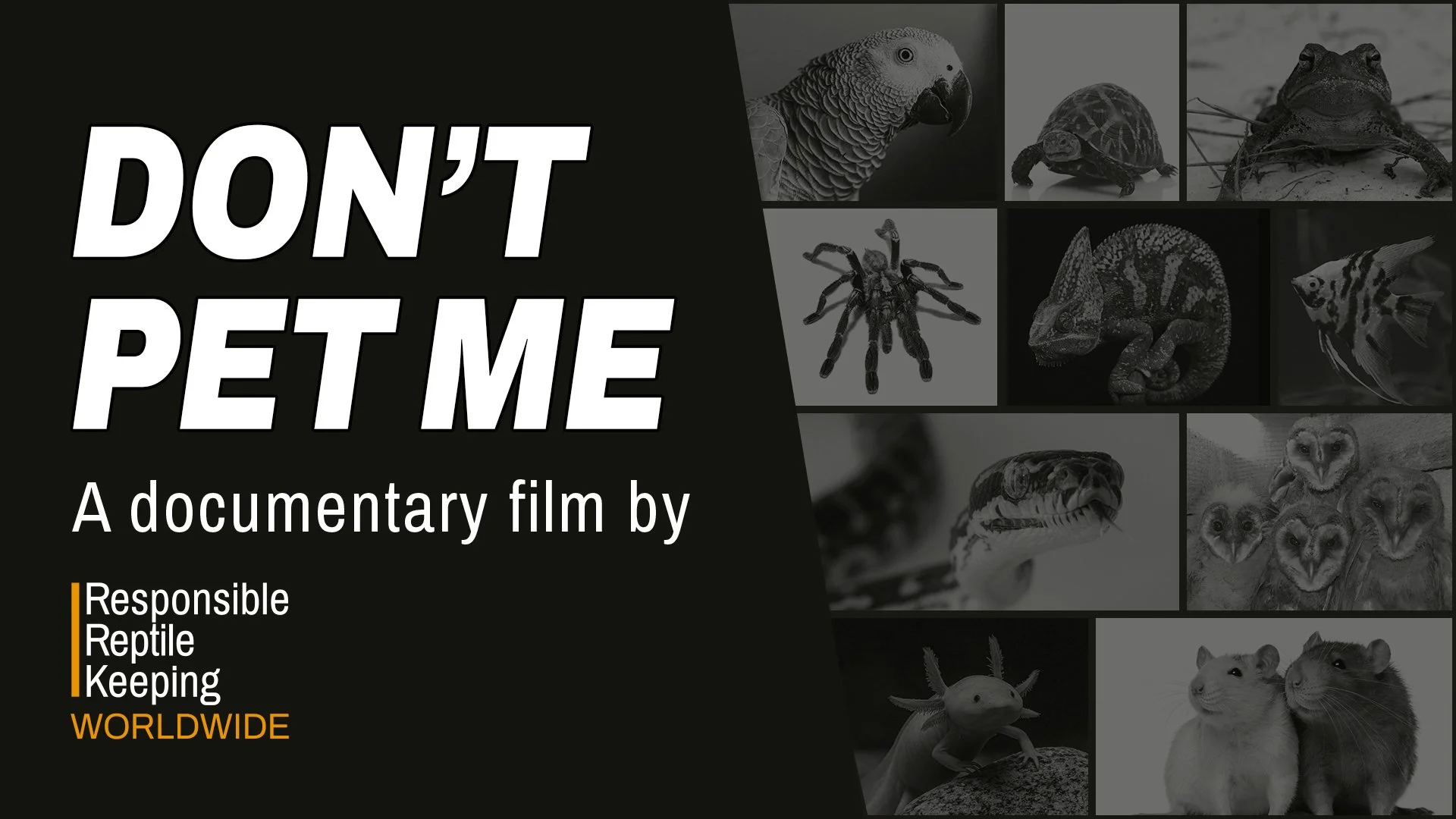
![Black and white montage of snakes, birds, mammals, amphibians, and invertebrates. Text reads "DON'T PET ME" with subtitle "A documentary film by Responsible Reptile Keeping Worldwide". Includes the Responsible Reptile Keeping Worldwide logo.]()
Don't Pet Me – what would you do if your pets were banned?
-
![Thumbnail text reads “The evidence isn’t there”; image shows Dr Martin Singheiser of BNA, emphasising species conservation and responsible animal husbandry.]()
The evidence for positive lists isn't there
-
![Text on thumbnail: “Whitelists and positive lists don’t work” and “The truth”; image of a gecko with “BANNED” in stamp-style lettering.]()
WHITELISTS AND POSITIVE LISTS | How government will ban reptile keeping
-
![Thumbnail text reads “Norway’s reptile ban” with the subtitle “A dangerous déjà vu”; image shows a lizard alongside a Norwegian flag.]()
Banning reptiles doesn't work | Norway case study
-
![Shady tactics revealed – a turtle and a sugar glider look up at a European Union flag, illustrating the video about how positive lists and whitelists threaten responsible pet ownership.]()
Positive lists and whitelists: they want to ban your pets
-
![Thumbnail text reads “Whitelists don’t work” with a “FACT” stamp; image shows Svein Fosså of NZB being interviewed.]()
Reptile whitelists haven't worked in Norway
-
![Video thumbnail showing Tony Wigley discussing threats to reptile keeping, with on-screen text reading “Reptile keepers under attack” and “Positive lists failed”, alongside flags of multiple countries.]()
Reptile keepers are under attack!
-
![Thumbnail text reads “Ball pythons banned”; image shows a ball python and the interviewee wearing headphones.]()
Ball pythons banned – worse to come
-
![Protester holding a megaphone, symbolising activist pressure and the use of loud campaigning tactics discussed in the animal welfare debate]()
Silencing the experts: How extremists are twisting the animal welfare debate
-
![Child holding a bearded dragon, illustrating responsible reptile keeping and handling]()
The last reptile keepers? Positive lists don't work
-
![Djungarian hamster (Phodopus sungorus) on white background, one of the animals discussed in the article about flawed science and pet policy]()
Bad science and shady politics



To enjoy more articles like this and receive our free digital magazine.
Join RRK today